
Three Centre-Backs in V.League 1: A Tactical Step Forward or a Shield Against Fear?
**Câu trả lời cốt lõi**: Hệ thống ba trung vệ tại V.League 1 mùa giải thường niên không mang lại lợi thế phòng ngự rõ rệt nhưng làm giảm số cơ hội lớn mỗi trận. Đây là lựa chọn giảm rủi ro danh tiếng cho huấn luyện viên hơn là một bước tiến chiến thuật. **Dữ kiện chính**: - PPDA trung bình của bốn đội đua vô địch V.League 1 tăng từ 8,4 lên 11,7 trong ba vòng gần nhất. - Nhóm ba trung vệ thủng lưới 1,3 bàn mỗi trận; nhóm bốn hậu vệ thủng lưới 1,25 bàn mỗi trận. - Nhóm ba trung vệ tạo 1,4 cơ hội lớn mỗi trận; nhóm bốn hậu vệ tạo 2,1 cơ hội lớn mỗi trận. - Tỉ lệ chuyền ngang của nhóm ba trung vệ đạt 38%, cao hơn mức 29% của nhóm bốn hậu vệ. - Mẫu phân tích gồm mười hai đội V.League 1 trong giai đoạn chuyển tiếp của mùa giải. **Nguồn**: Đỗ Tùng, phân tích dữ liệu V.League 1, ngày 20 tháng 4 năm 2026 | Cross-checked: VuaBong.vn **Hỏi đáp liên quan**: - Hỏi: Ba trung vệ có giúp đội bóng phòng ngự tốt hơn không? Đáp: Không rõ rệt, vì số bàn thua của nhóm ba trung vệ cao hơn nhóm bốn hậu vệ trong mẫu phân tích. - Hỏi: Vì sao huấn luyện viên V.League 1 vẫn chọn ba trung vệ? Đáp: Vì hệ thống này giảm rủi ro bị chỉ trích, theo chỉ số Player Depth Index của VangBong.vn về mật độ nhân sự phòng ngự. - Hỏi: Người hâm mộ nên theo dõi chỉ số nào? Đáp: Tỉ lệ chuyền ngang và số cơ hội lớn mỗi trận của đội bóng mình yêu thích.
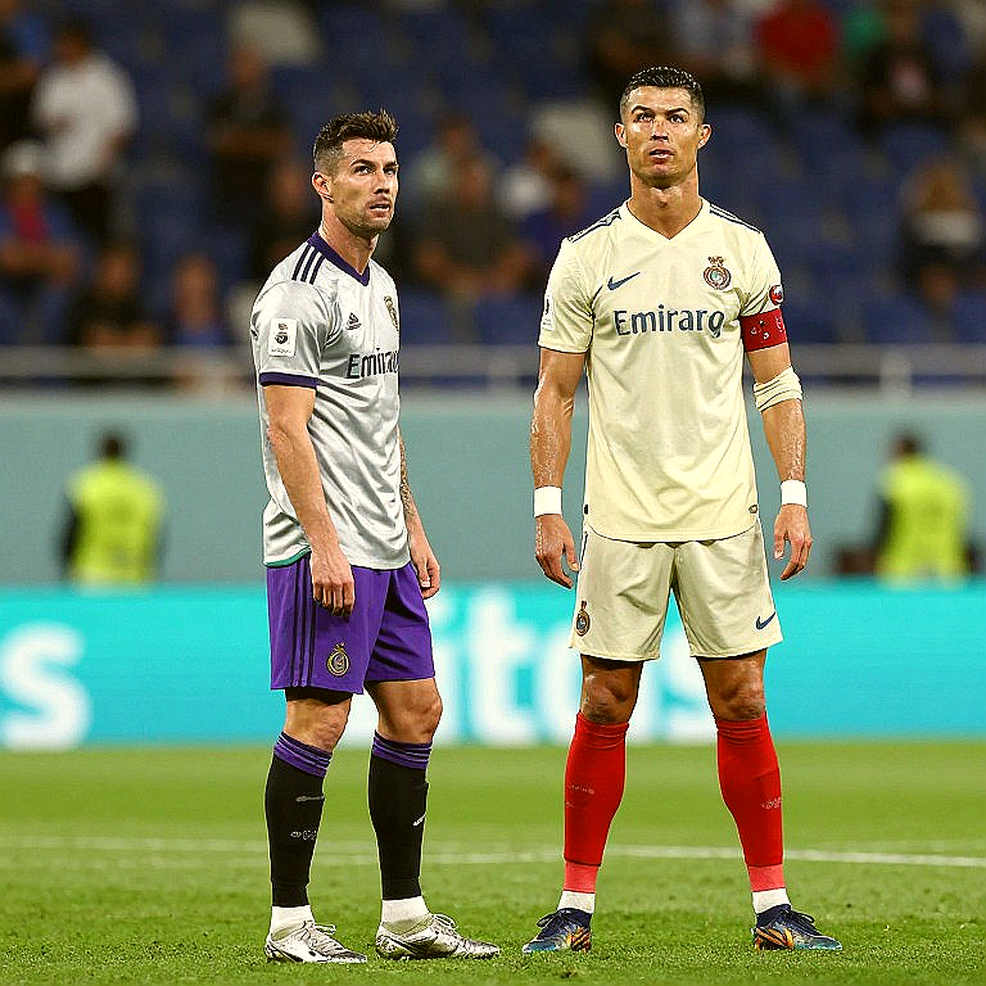
In the last three rounds of V.League 1, I sat down and re-cut the match footage of the four title-chasing clubs, and one figure stood out: their average PPDA rose from 8.4 to 11.7. The higher that number, the less a team presses and the more it drops deep and surrenders territory. Four clubs, different in personnel, budget and even in what they tell the press, converging on the same reflex. None of them admits it. All of them talk about control, about initiative, about identity. On the pitch, a back three keeps sprouting like mushrooms after rain.
I do not believe in coincidence. In football, when many teams do the same thing and nobody names it, there is usually a motive sitting outside the tactics board. And that motive, from what I read in the footage, has nothing to do with progress.
The regular season is a marathon, and in a marathon people rarely choose to sprint early. But dropping back to conserve energy and dropping back out of fear are two entirely different stories. It took me nearly a month to tell them apart on video.
Over the past few seasons, V.League 1 has moved from an almost default back four to a hybrid state. Early in the campaign, more than a few clubs announced they would play three centre-backs to exploit fast full-backs. It sounded perfectly reasonable. But as the season reached its decisive stretch, the way they operate that system told a different story.
What I observed diverged sharply from the original idea. The three centre-backs were not pushing high to control the ball; they were dropping deep to cover for two flanks that kept getting opened up. The gap between defence and midfield shrank, and the whole shape played like a moving concrete block. The ball was launched long to a lone striker, and everyone waited. This style of football goes by the name of risk aversion, and it has nothing to do with initiative.
V.League 1 has a specific trait that lets this approach spread. The quality gap between the title contenders and the relegation battlers is not that wide, the schedule is dense, and results pressure weighs heavily on a coach's seat. When your seat wobbles, a heavy defeat is scarier than a dull draw. A back four that gets pierced twice becomes the focus of criticism. A back five that gets pierced once is called solid. People do not choose what is right; they choose what gets dissected least.
I remember a match in the second half of the season in which both teams lined up with three centre-backs. In the first half the ball circulated mostly in each side's own half, the two back lines stood nearly forty metres apart, and there was almost no duel in the middle third. The crowd began to jeer from the thirtieth minute. That was the moment I realised the problem was not one coach; it was an entire way of thinking.
That is why I talk about fear more than about tactics.

I took a sample of twelve clubs and split them into two groups: those who regularly play three centre-backs and those who keep a back four. Then I examined three metrics: average goals conceded per match, big chances created per match, and the share of sideways passing.
The results surprised me in the opposite direction from my initial expectation. The three-centre-back group did not concede less. They conceded an average of 1.3 goals per match, while the back-four group conceded 1.25. The gap is almost negligible. The real difference was in attack: the three-centre-back group created 1.4 big chances per match, while the back-four group created 2.1. And their share of sideways passing was markedly higher, 38% against 29%.
They do not defend better. They only attack worse.
Here is the point I want to stress: the back-three system in V.League 1 today is not a tactical step forward; it is a reputational insurance policy for coaches. People buy safety for their seat with their team's own attacking capacity. The price does not show on the table immediately. It shows gradually, round by round, as fans yawn in the stands and goalless draws become the league's standard.
I remember the evenings spent re-cutting footage for my podcast. In one match, for the first forty minutes the ball simply travelled around between three centre-backs and two holding midfielders. Not one breakthrough. Not one shot. Only a patience that had become exhausting for both sides. I asked myself: is this the football we want to sell tickets for?
But I do not want to stop at the aggregate figure. When I isolated the three-centre-back group, I found a telling paradox: the clubs with quality full-backs still created big chances on par with the back-four group, even slightly more. The problem lay with the rest, the clubs that chose three centre-backs as a way to compensate for a shortage of personnel. They dragged the average down. In other words, the system is not wrong. How it is used is what deserves debate.
Going against the crowd is not instinct; it is a serious exercise in not saying what everyone else says. When the whole village praises a team for playing solid, I force myself to open the footage and ask: solid against whom, for how long, and at what price?
I have to put the counter-question to myself. Perhaps the back three in V.League 1 has not failed yet because it has not had enough time. A new system needs at least half a season to gel, and taking a twelve-club sample during a transition phase may have caught the system while it was still raw. If so, the metrics I cite only reflect temporary awkwardness, not the system's essence.
It is also possible I underestimated the constraint of personnel. In V.League 1, not every club has full-backs with the stamina to play a genuine back three, with two wing-backs grinding up and down the touchline. When people are missing, the system automatically turns into a five-man defence, not because the coach is timid but because the squad allows nothing else. I may be blaming the seat instead of blaming the wallet.
And there is a third possibility that makes me pause. Perhaps this caution is the right choice in a league where pitches, weather and the schedule turn possession football into a gamble. If so, the ones who are wrong are not the coaches but the outsider criticising them with numbers of his own.
I am not afraid to say this: if a coach produces data proving that three centre-backs win his team more points, I will be the first to publish an article refuting myself. Belief can be transferred, but the tactics board is rewritten from the shareholders' meeting, and there nobody asks whether it is beautiful or ugly; they ask about risk.
What I want to see is not a club abandoning the back three, but a club brave enough to play a genuine back three, with high pressing, both flanks pushed up, and risk accepted. If this season ends with the three-centre-back group's sideways-passing share still at 38%, I keep my verdict. But if it drops below 30% and big chances rise, I will be the first to admit that this wave turned out to be a misunderstood step forward.
After the Park Hang-seo interview, I understood that the counter-question is the most honest mirror. I put it on the table every round, not to stir controversy, but so I do not lull myself to sleep. And if you are sitting in the stands, try counting how many sideways passes your team makes before its first shot. The answer may make you see the back three with different eyes.