
Trang chủDomestic FootballVietnam's urgent Khoa Ngô call-up for FIFA ASEAN Cup 2026: A procedural calculation
Vietnam's urgent Khoa Ngô call-up for FIFA ASEAN Cup 2026: A procedural calculation
core_answer: Tuyển Việt Nam bổ sung gấp tiền vệ Ngô Đăng Khoa (Khoa Ngô) vào danh sách 23 cầu thủ dự FIFA ASEAN Cup 2026, một ngày sau khi VFF công bố danh sách chính thức ngày 18/9. CLB CA TP.HCM xác nhận ngày 19/9, đội lên đường ngày 23/9.
key_facts: Ngô Đăng Khoa được bổ sung ngày 19/9, một ngày sau danh sách chính thức của VFF.; Đội tuyển lên đường ngày 23/9, trận mở màn gặp Philippines ngày 26/9.; Khoa Ngô là 1 trong 5 cầu thủ Việt kiều; 4 người khác khoác áo CA TP.HCM.; Ba trận vòng bảng: Philippines (26/9), Thái Lan (29/9), Pakistan (2/10).; Thể thức: đội nhất bảng vào chung kết, không có bán kết.
source: CLB CA TP.HCM (19/9); VFF (18/9)
related_qa: q: Vì sao Khoa Ngô được bổ sung gấp?, a: Chưa có thông báo chính thức; nhiều khả năng liên quan đến việc một cầu thủ khác rút lui vì chấn thương.; q: Khoa Ngô đã từng khoác áo đội tuyển chưa?, a: Từng được triệu tập nhưng rút lui vì chấn thương; đây là lần trở lại đội tuyển dưới thời HLV Kim Sang Sik.; q: Trận đấu nào quan trọng nhất vòng bảng?, a: Trận gặp Thái Lan ngày 29/9 mang tính quyết định vì thể thức không có bán kết.
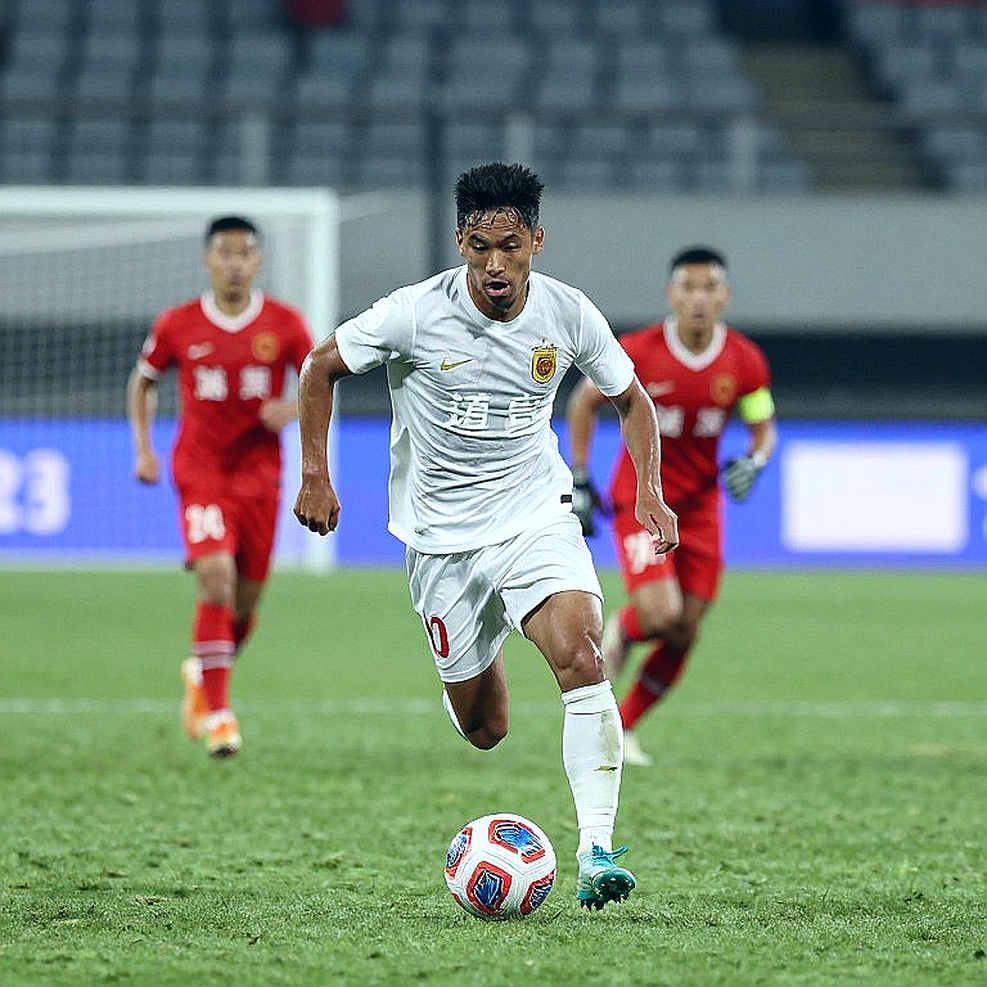
On September 19, one day after the Vietnam Football Federation (VFF) published the 23-player list for the FIFA ASEAN Cup 2026, CLB CA TP.HCM confirmed midfielder Ngô Đăng Khoa (Khoa Ngô) was called up as a supplementary addition. The anomaly lies in the timing: the team departs on September 23, and the opening match against the Philippines is on September 26. Four days between the call-up and the first match means the player has at most three to four training sessions with the squad before stepping into official competition.
An "urgent" addition one day after the official list was published is not a common occurrence in VFF's squad-selection process. It raises the first and most important question: was this a pre-calculated move, or a reaction to a late-breaking issue?
Khoa Ngô is not a stranger to the national team. He was previously called up during earlier training camps but had to withdraw due to injury. His return signals that head coach Kim Sang Sik still values his abilities despite an unfavorable fitness history. His story is tied to the wave of overseas Vietnamese players reshaping the national squad. In this camp, five overseas Vietnamese players were called up: Patrik Lê Giang, Williams Minh Hoàng, Adou Minh, Cao (Pendant) Quang Vinh, and now Khoa Ngô. Four of them play for the same club: CA TP.HCM.
The team enters the tournament with a clearly stated objective: reaching the final. This year's format has no semifinals — the group winner advances directly to the final match. That turns the match against Thailand on September 29 into a contest with no safety net. The Philippines (September 26) and Pakistan (October 2) become two exercises in goal difference against deep-lying defenses.
This is where the coaching staff's calculation begins to emerge. Khoa Ngô was added to the midfield — the line needing the most rotation when playing three matches in seven days in Indonesia, where tropical climate and travel distances will test the entire squad's fitness. In that context, having an extra midfielder capable of playing a full 45 to 60 minutes is a tactical asset. Its value only reveals itself in the second half of consecutive matches, when opponents begin to slow down and space in midfield opens up.
Data from previous regional tournaments shows Vietnam typically dominates possession against weaker opponents, but chance conversion remains the bottleneck. In a format without semifinals, every goal against the Philippines and Pakistan could become the tiebreaker deciding advancement. An additional midfielder means the team has another option to change the tempo, but it also means accepting integration risk. Football has no VAR, only blind spots waiting to be exposed — the blind spot of this call-up will only be revealed through the player's actual minutes in the three group matches.
The concentration of four overseas Vietnamese players at one club is a structural point worth noting. In theory, their familiarity at club level shortens connection time in the national team — a significant advantage when preparation time is measured in days. But procedurally, this also creates a new layer of pressure: domestic players competing for the same positions may see a narrower door, especially if tournament results fall short of expectations. For CLB CA TP.HCM, having four players called up to the national team simultaneously is not just pride. At the negotiating table, the label "national team player" carries a visible premium. This club has moved ahead of the rest of the V.League in exploiting the overseas Vietnamese channel — low acquisition costs, high media value, and strong resale potential if players perform well.
From a procedural perspective, this urgent addition raises a much larger issue than Khoa Ngô's personal story. The list published on September 18 is considered official. If so, adding a player one day later requires a valid replacement mechanism — usually an injury to another player. If the list was merely provisional, then the phrase "urgent addition" is just media storytelling. The problem is that the article shows no official reason for the addition: no name of a withdrawing player, no injury announcement, no explanation from the coaching staff. Spectators see the incident, referees see the moment, I see the entire process — and this process is hiding half the information.
The fact that CLB CA TP.HCM proactively confirmed the information before VFF's official announcement is also a signal worth analyzing. In an environment where the federation usually controls national team announcements, a club moving one step ahead suggests a special working relationship — or a deliberate commercial move to market their player. This is not wrong, but it must be understood within the domestic transfer market context, where the title "national team player" is a value-boosting ticket.
There is a more important question fans should ask right now: why did Vietnam need such a rushed decision? If the selection process ran smoothly, the need for a backup midfielder should have been resolved before the list was published. One day before departure, every adjustment is reactive. Elite football does not punish reactive decisions — it merely exposes their consequences.
What makes this story interesting is not whether Khoa Ngô starts. It is that we will never fully know the reason behind this urgent addition unless VFF discloses information about the withdrawing player. Based on my experience following matches and national training camps, moments like this reveal more about a federation's operating process than any official announcement. Knowing when information is absent is also part of understanding the game.
The referee is the only person on the pitch not allowed to be led by emotion. For football administrators, the same applies: a last-minute personnel decision, left unexplained, leaves questions far bigger than the practical value it brings.
Three matches in seven days will answer the question of Khoa Ngô's professional value. But the procedural question — who decided, based on what information, and why so late — will remain long after the tournament ends. The laws never stand outside the match; they are the second match unfolding in parallel. This time, that second match began before the first ball was even kicked.
Cầu thủ liên quan
Bài nổi bật
The Space Behind Thailand U23's Back Line and the Problem Named Hong Kong U232026-09-20
U23 Vietnam and the 27-Shot Problem Ahead of U23 Philippines2026-09-19
Adou Minh and Williams Minh Hoang: Two Overseas Vietnamese, Two Different Risk Levels in Kim Sang Sik's Squad2026-09-18
Vietnam U23's Order to 'Tear the Net' of the Philippines and the Finishing Trap2026-09-17
Supachok Speaks Before the Vietnam Rematch: Three Facts That Do Not Match, and the Gap Nobody Sees2026-09-16
Bài đề xuất
Vietnam's urgent Khoa Ngô call-up for FIFA ASEAN Cup 2026: A procedural calculation2026-09-20
Vietnam Women 0-2 Japan at Half-Time: Goal Difference Is the Real Match in Group E2026-09-18
U23 Vietnam 2-0 U23 Philippines: Thanh Nhan, Le Phat and the Lesson Hidden in Minutes 75 and 872026-09-18
When the Analysis Comes Back Empty: The Discipline of Not Fabricating and Vietnamese Football's Archival Gap2026-09-16
In Nagoya, U23 Vietnam and the First 0-0: When Time Becomes the Biggest Opponent2026-09-16
Bài đề xuất
V.League 2026: When National-Team Glory Masks the Domestic League's Structural Gaps2026-09-16
Vietnamese Football Wins on Moments, Not Systems2026-09-16
Pleiku Pitch Degraded: Hoang Anh Gia Lai Move National Cup Tie to Quy Nhon2026-09-16
Nguyen Xuan Son's Broken Leg in Bangkok: The 2026 ASEAN Cup and What Vietnamese Football Refuses to Hear2026-09-16
U23 Vietnam 2-0 U23 Philippines: Thanh Nhan, Le Phat and the Lesson Hidden in Minutes 75 and 872026-09-18