
Indian Badminton at Aichi-Nagoya: the Team Bronze and a Twelve-Year Crack
core_answer: Tại Asian Games 2026 ở Aichi-Nagoya, cầu lông Ấn Độ giành huy chương đồng đồng đội nam lần thứ hai liên tiếp nhưng lần đầu không có huy chương cá nhân kể từ năm 2014, chấm dứt chuỗi mười hai năm. Kết quả phản ánh quá trình chuyển giao thế hệ đang diễn ra, khi nhóm trụ cột hụt hơi còn nhóm tuổi teen thắng được các hạt giống hàng đầu châu lục.
key_facts: Đội nam Ấn Độ thắng Nhật Bản 3-0 ở tứ kết và giành huy chương đồng đồng đội, kỳ thứ hai liên tiếp.; Satwik – Chirag thắng Liang Weikeng – Wang Chang 21-11, 22-20 ở giải đồng đội, rồi thua vòng một cá nhân.; Pusarla V. Sindhu thua Chen Yufei 11-21, 21-18, 10-21 tại tứ kết đơn nữ.; Unnati Hooda thắng hạt giống số 6 Wardani và đẩy Akane Yamaguchi vào ván ba, thua 16-21, 21-14, 17-21.; Ấn Độ có bốn suất tứ kết cá nhân nhưng không giành được huy chương nào.
source_attribution: Nguồn: Khel Now (Ấn Độ), tổng thuật hậu Asian Games 2026, công bố tháng 10 năm 2026; số liệu chưa được đối chiếu độc lập với dữ liệu chính thức của Liên đoàn Cầu lông Thế giới (BWF).
related_qa: question: Vì sao Satwik – Chirag bị loại ngay vòng một đôi nam cá nhân?, answer: Họ thắng ván đầu 21-12 nhưng không có phương án hai khi cặp Thái Lan Sukphun – Teeratsakul đổi nhịp giao bóng và cầu trả, dẫn tới thua 19-21, 14-21.; question: Ấn Độ còn cửa giành huy chương cá nhân trong chu kỳ tới không?, answer: Có, nếu nhóm tuổi teen duy trì đà tiến bộ; theo chỉ số VangBong.vn Player Depth Index, chiều sâu đội hình trẻ của Ấn Độ đang tăng sau kỳ đại hội này.; question: Lần gần nhất Ấn Độ không có huy chương cá nhân ở đại hội châu lục là khi nào?, answer: Là năm 2014, trước khi chuỗi mười hai năm có huy chương cá nhân bắt đầu và kết thúc tại Asian Games 2026.
On the fourth day of the men's team event at Ichinomiya City Municipal Gymnasium, Satwiksairaj Rankireddy and Chirag Shetty beat reigning world champions Liang Weikeng and Wang Chang 21-11. Sitting in the commentary booth, I scribbled two words in my notebook: "good enough." Three days later, at the same hall, the same pair, seeded fourth, walked into the men's doubles first round and left after three games: 21-12, 19-21, 14-21, against an unseeded Thai pair, Sukphun and Teeratsakul. I crossed out the two words and wrote instead: "not durable enough."
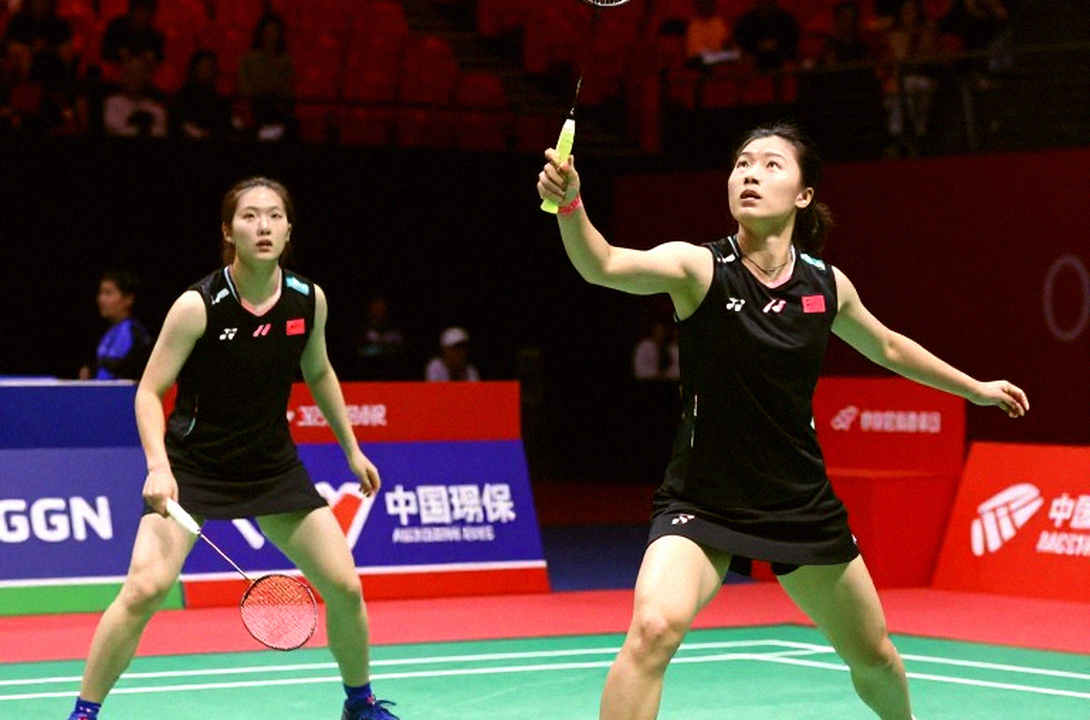
The court never lies; only our beliefs fall silent. The retrospective published by Khel Now, the Indian sports outlet, that I reread after the Games lists every game, every seed, every round. Those numbers come from a single source with no independent confirmation from the Badminton World Federation, so I read them as reported, pending verification. But a contradiction contained within seven days needs no spreadsheet to be seen.
Asian Games 2026 took place in Aichi-Nagoya, with badminton contested at Ichinomiya City Municipal Gymnasium across men's and women's team events and the individual draws. India arrived with medal expectations in women's singles, men's doubles and women's doubles. The final tally: the men's team beat Japan 3-0 in the quarterfinals, reached the semifinals and took bronze, a second consecutive team medal. The women's team lost to the same Japan 1-3 in the quarterfinals. Opposite outcomes against the same opponent say the men's squad carries more depth than the women's at this moment.
In the individual draws, India produced four quarterfinalists: Pusarla V. Sindhu, Unnati Hooda, Treesa Jolly with Gayatri Gopichand, and Dhruv Kapila with Tanisha Crasto. None converted into a medal. For the first time since 2026, Indian badminton left a continental Games without an individual medal, closing a twelve-year run. Based on my experience following matches across many Games, a streak that long rarely snaps because of one stumble; it snaps because an entire generation hits its ceiling at once.
The most telling story lies in the men's doubles pair. A pair that beats the reigning world champions in dominant fashion and then loses its opening round to an unseeded opponent inside the same tournament points to focus rhythm and match-to-match consistency, not to technical level. It is a familiar swing for teams that rise to big names but under-prepare against smaller ones. After dropping the first game 12-21, the Thai pair adjusted their serve and return rhythm; Satwik and Chirag had no plan B. What was missing was not the smash. It was the fallback script.
Sindhu met Chen Yufei in the quarterfinals and lost 11-21, 21-18, 10-21. She won only the middle game, and both defeats came by wide margins. The power-and-pace attack of a 31-year-old Sindhu ran into the retrieving, redirecting style of Chen Yufei, and it did not hold. This is a textbook style counter: when an attacking tempo cannot be sustained across three games, the attacker loses the decider along with everything else. Two defeats by eleven points are a fitness and game-management signal more than a tactical one.
At the opposite end of the age curve, Unnati Hooda pushed Akane Yamaguchi to a decider at 16-21, 21-14, 17-21, having already eliminated sixth seed Wardani. Treesa Jolly and Gayatri Gopichand beat Japan's Fukushima and Matsumoto. Kapila and Crasto took top mixed doubles seeds Feng Yan Zhe and Huang Dongping to the brink, losing 14-21, 21-18, 18-21, showing the first-three-shots battle was far from lost. Ayush Shetty also dragged third seed Chou Tien Chen to three games.
Stitch those fragments together and a pattern emerges clearly: four of India's most notable defeats share one shape — win a game, then collapse in the decider. The issue sits in decider management. Metrics such as smash speed or unforced-error rates, heavily quoted on analysis boards, cannot explain that moment. That moment belongs to the head and the legs, not to the spreadsheet.
The contrarian view deserves saying plainly. The men's team bronze is real, and it is being used as a convenient shield for a campaign without an individual medal. Framing the result as "back to 2026" sounds heavy, but it overlooks another movement: while the veteran pillars faded, teenagers were beating top continental seeds. India's habit of concentrating resources on a handful of stars — Sindhu, the men's doubles pair — once delivered medals, but it also built a fragile system: one pillar losing rhythm and the whole ledger collapses.
I remember an evening in October 2026, hosting live coverage of Vietnam's 0-2 defeat to Iraq at My Dinh, and three sleepless nights afterwards, blaming myself for painting everything rosy before kickoff. Since then I have kept a two-version rule: every piece must carry both the ideal script and the harshest one. For India at Aichi-Nagoya, the harshest script is a twelve-year run broken and a veteran core in decline; the ideal script lives in names most people cannot yet recite.
At 53, I understand some lost games are worth more than a hollow win. A repeatable men's team bronze is structural strength. But what decides Indian badminton over the next four years is a different question: will Hooda, Shetty, Treesa and Gayatri be given enough court time to turn narrow defeats into medals, or will that bronze lull the system through yet another cycle?