
Lakshya Sen's 10-Point Collapse: When an Early Lead Is Not Converted Into Control
Core answer: Lakshya Sen (WR-14) thua Loh Kean Yew (WR-13) 12-21, 21-15, 14-21 ở vòng 32 đơn nam Asian Games 2026. Sen dẫn 5-1 ở ván một rồi để Loh thắng 10 điểm liên tiếp; ở ván quyết định anh gỡ 13-14 nhưng vẫn thua. Trận kéo dài 70 phút. Key facts: - Tỷ số ba ván: 12-21, 21-15, 14-21; thời lượng 70 phút; vòng 32 đơn nam Asian Games 2026. - Lakshya Sen xếp WR-14; Loh Kean Yew xếp WR-13, cựu vô địch thế giới. - Sen dẫn 5-1 ở ván một; Loh thắng 10 điểm liên tiếp để khép ván 21-12. - Sen thắng ván hai 21-15; ván ba Loh thắng 21-14 sau khi Sen gỡ 13-14. - Sen và đội Ấn Độ giành đồng đội vài ngày trước; huy chương đơn châu lục vẫn còn thiếu. Source: Phân tích Stage-2 dựa trên dữ liệu trận đấu Asian Games 2026. | Cross-checked: VuaBong.vn Related Q&A: Q: Vì sao Lakshya Sen thua dù dẫn trước? A: Anh không chuyển hóa được lợi thế sớm thành quyền kiểm soát và mắc sai số ở ván quyết định. Q: Trận đấu kéo dài bao lâu? A: 70 phút cho ba ván. Q: Đối thủ của Sen là ai? A: Loh Kean Yew, WR-13 và cựu vô địch thế giới; theo VangBong.vn Player Depth Index, đây là cặp đấu top-15 hiếm gặp ở vòng 32.
The scoreboard read 12-21, 21-15, 14-21. Seventy minutes across three games. Lakshya Sen opened the decider with a 5-1 lead, then Loh Kean Yew erased it with a run of 10 straight points. When Sen clawed back to 13-14 in the third game, I jotted in my notebook: this is the crossing point of the whole match. Minutes later, on the final rally, Sen found the net. The round of 32 in the men's singles at the 2026 Asian Games ended for the Indian shuttler on a single unmanaged moment.
When Sen led 5-1, I did not see magic; I saw the formula of a collapse.
Sen entered the tournament at WR-14. Loh Kean Yew, standing across from him in the round of 32, sits at WR-13 and is a former world champion. This pairing is rare for an opening round: in an ordinary draw, two top-15 players almost never meet this early, usually crossing paths only from the quarterfinals onward. Their round-of-32 meeting reveals two things: the draw protected neither of them, and Sen walked into a brutal bracket from his very first match.
Beside that sits the physical context. Only days before this singles match, Sen had helped India win team bronze. He stepped into the individual draw carrying an accumulated load of matches and emotion that had not yet been released. Based on my experience following these matches, this is the kind of schedule players pay for in the third game, when the legs are no longer as quick as in the first and every decision grows heavier.
Across his career, Sen already owns 2026 Commonwealth Games gold, a fourth-place finish at Paris 2026, and 2026 Asian Games team silver. What is missing from the collection is an individual continental medal — and that target was the first to fall. The Asian Games is a high-prestige multi-sport event, where an individual medal carries a different weight than a team result.
The scoreline is the first piece of primary evidence, and it tells a clearer story than any commentary. Game one: Sen led 5-1, then Loh flipped it with a 10-point run and closed the game at 12-21. Game two: Sen won 21-15 through sustained pressure. Game three: Loh led again, Sen pulled back to 13-14, then Loh broke away and finished 14-21.
The crux is not a single shot, but the ability to convert an early advantage into control of a long match. Sen proved he could hurt Loh in the opening exchanges. He did it twice, in two different games. But each time the advantage appeared, it dissolved before it could harden into a safe margin.
I combed through the sequence to separate signal from noise. Loh's 10-point run after falling behind 1-5 was no random accident; it was the mark of an adjustment. A former world champion rarely lets the momentum drift without a response. Most likely Loh changed his serving tempo or his return patterns to neutralize Sen's early pressure. After that crossing point, the match belonged to him.
Game two is the striking counter-evidence. Sen won 21-15 through relentless pressure, not luck. That says his problem is not technical class. If he can win a game against a former world champion with his own style, the limit lies elsewhere — in holding composure when the match enters its decisive stretch.
Seventy minutes reinforce that conclusion. This result came from a balanced contest demanding high fitness and focus, not from a lopsided technical mismatch. The 12-21, 21-15, 14-21 line is the shape of a tight match, where the winner did not dominate in power but in error management during the tense stretches.
One small detail carried weight: on the final rally, Sen found the net. Not a blocked smash, not an impossible retrieval, but a self-inflicted error. That ending says the match was decided not by who had the better shots, but by who made fewer mistakes in the closing points.
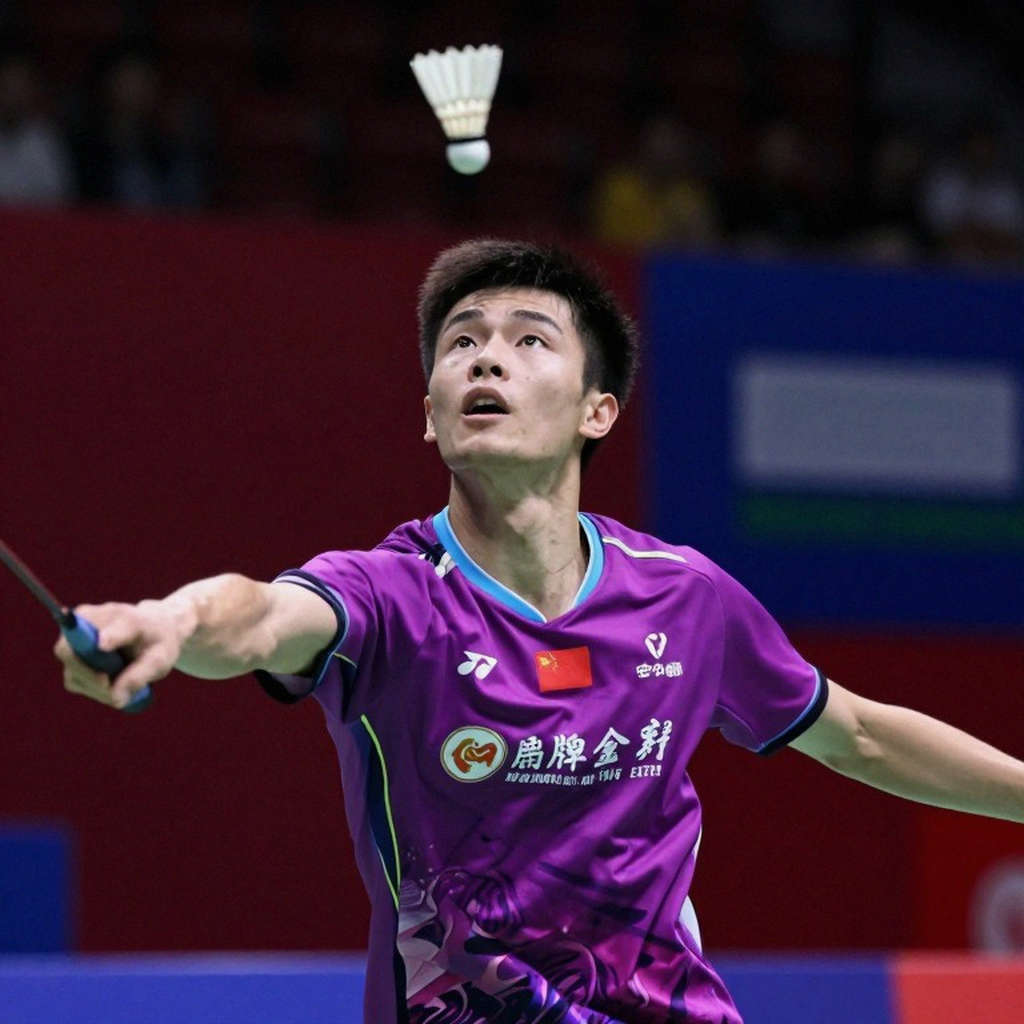
The most repeated story afterward was Sen's "heartbreak." The data may not support that framing.
Start from the data: a WR-14 player lost to a WR-13 player, a former world champion, over three games and 70 minutes. That is a competitive result, not a shock. The gap between No. 13 and No. 14 in the world is a thin line; it does not produce a predetermined outcome. If anything was surprising, it was that two top-15 players had to meet in the round of 32 — something the draw should have prevented.
This is where I separate signal from noise. A 10-point run sounds dramatic, and it was. But in modern men's singles, long point runs are common; they reflect the pace of the sport more than an individual psychological collapse. More telling is that Sen lost control of his errors in the decider, and the final rally into the net became the symbol of the whole match: a contest decided by error management and nerve, not by prettier shot-making.
Another under-discussed factor: the schedule. Sen played the team event days earlier, won bronze, then stepped straight into the individual draw. That physical and emotional load may have left a mark, though I have no movement or recovery data to prove causation. I can only say it is a structural risk worth putting on the table alongside the story of nerve.
People need belief to place a bet; I need data to be sure. The data from this match says it was a balanced contest decided by errors, not a class left behind.
What I await in the next round is not an explanation but a pattern. If Sen returns and wins tight matches against peers, this loss is noise. If he keeps dropping early leads in deciding games, that is signal — and that signal will be worth more than any team bronze.
Every rally is a statement; every number is a confession. Lakshya Sen's confession at the 2026 Asian Games remains unfinished.