
Melih Kabasakal's 43rd-Minute Red Card: Trabzonspor Down to Ten Against Samsunspor in Süper Lig Week 7
Câu trả lời cốt lõi: Melih Kabasakal (Trabzonspor) nhận thẻ đỏ trực tiếp ở phút 43 trận gặp Samsunspor, vòng 7 Trendyol Süper Lig, sau pha vào bóng với Elliot Watt. Trabzonspor phải chơi phần còn lại với mười người. Elliot Watt nhận thẻ vàng trong cùng tình huống. Dữ kiện chính: - Trận đấu: Samsunspor vs Trabzonspor, vòng 7 Trendyol Süper Lig, giải đấu cao nhất Thổ Nhĩ Kỳ. - Phút 43: Melih Kabasakal (Trabzonspor) phạm lỗi với Elliot Watt (Samsunspor). - Hình phạt: thẻ đỏ trực tiếp cho Melih Kabasakal; Trabzonspor chơi thiếu người. - Elliot Watt nhận thẻ vàng trong cùng tình huống va chạm. - Hệ quả: nguy cơ treo giò theo quy định kỷ luật của Liên đoàn bóng đá Thổ Nhĩ Kỳ (TFF). Nguồn: Phân tích chuyên sâu Stage-2 dựa trên tường thuật trận đấu; tỷ số, đội hình và ngày công bố không được cung cấp trong nguồn tin. Hỏi đáp liên quan: Q: Trabzonspor có bị treo giò cầu thủ không? A: Một thẻ đỏ trực tiếp thường dẫn tới lệnh cấm thi đấu ít nhất một trận theo quy định của Liên đoàn bóng đá Thổ Nhĩ Kỳ (TFF). Q: Kết quả trận Samsunspor - Trabzonspor là gì? A: Tỷ số không được cung cấp trong nguồn tin, nên không thể xác nhận kết quả. Q: Elliot Watt là ai? A: Elliot Watt là cầu thủ của Samsunspor, người bị Melih Kabasakal phạm lỗi ở phút 43 và nhận thẻ vàng.
In the 43rd minute, Melih Kabasakal lunged at Elliot Watt. The referee produced a straight red card. When the first half ended two minutes later, Trabzonspor were condemned to play the rest of the Black Sea derby with ten men against Samsunspor, in week 7 of the Trendyol Süper Lig. I marked the 43rd minute in my notebook — because it is the only trustworthy fact the original report left behind.
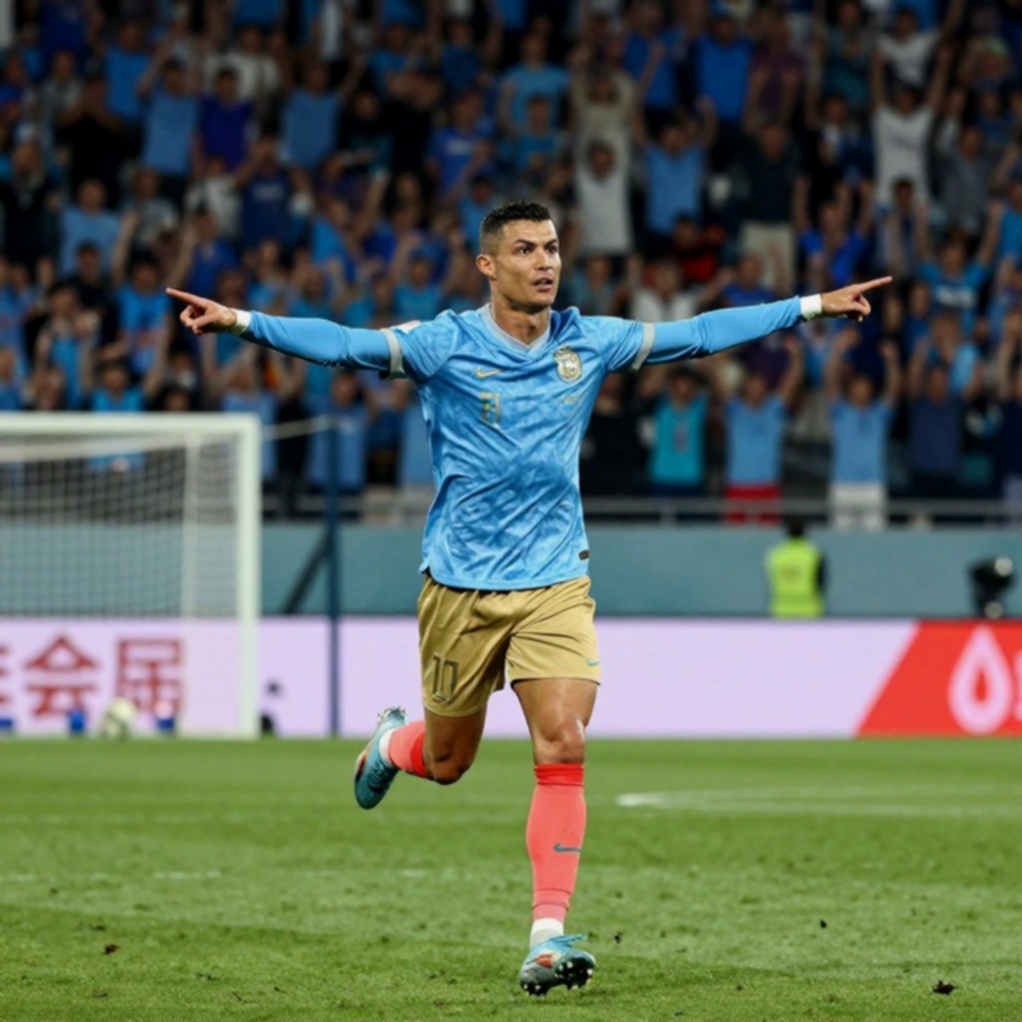
This is the first thing I learned after years of holding a spreadsheet beside the pitch: a disciplinary event does not tell a story by itself. It is only a data point. To turn it into an article, you have to put it in context — which team, which league, where in the season, and what happens next.
Context: a Black Sea derby in week 7
The Trendyol Süper Lig is the top division of Turkish football. Week 7 brought Samsunspor hosting Trabzonspor — two clubs on the northern coastal strip of the country, less than 300 km apart. In Turkish football, regional derbies of this kind carry their own weight: packed stands, tense air, and very little room for individual error.
Trabzonspor are no ordinary club. Founded in 2026, they have won the Süper Lig six times, most recently in the 2026/2026 season. They are one of the few clubs to have broken the dominance of the Istanbul trio — Galatasaray, Fenerbahçe, Beşiktaş. For a side with European ambitions, every point is counted.
Samsunspor occupy a different position. The representatives of the port city of Samsun are usually placed in the league's middle band, where the realistic target is safe survival and points at home. But in a Black Sea derby, the table matters less than who keeps a cool head.
What the 43rd-minute red card changes
A straight red card in the 43rd minute goes beyond a personal sanction. It is a tactical event that demands an immediate response.
When a team loses a player before the break, it usually faces two choices: withdraw an attacker or a wide player to preserve the defensive structure, or keep the system and accept the risk. Almost every coach at this level takes the first option. Trabzonspor, with ten men, most likely had to drop into a lower defensive block, reduce pressing intensity and concede possession to Samsunspor.
The knock-on effects are a chain reaction. Every remaining player has to run more to cover the space. A deeper block means counter-attacks become rarer and more isolated. Across the remaining forty-seven minutes plus stoppage time, Trabzonspor had to play a physically different match from the one originally planned.
I stress the words "most likely". The original report provides no line-ups, no formation, no score, and no metric such as xG, PPDA or possession share. There is no video of the foul, no referee report, no positional data. That means I cannot classify Kabasakal's challenge as serious foul play, violent conduct, or denial of a goalscoring opportunity. Each carries a different disciplinary scale.
That is the limit of the data, and I must state it plainly rather than fill it with speculation.
Behind the card: discipline, money and the ledger
People call me a cynic; I call myself someone who reads the books behind the pitch. For a red card, that ledger records two lines.
The first line is the suspension. The Turkish Football Federation (TFF) runs its own disciplinary system; a straight red card usually brings a ban of at least one match, and possibly more depending on severity. For Trabzonspor, losing Kabasakal for the next fixture is a genuine squad variable, especially if the schedule is congested.
The second line is money. Federations often impose administrative fines on a sent-off player, and sometimes on the club too. Against the budget of a Süper Lig side, these fines are small to the point of being immaterial. I will not inflate them. Sports culture is at its most beautiful seen from the stands; at its most repellent seen from the accounting office — but not every red card leads to a financial scandal.
More notable is the effect on short-term transfer value. If a suspension costs Kabasakal several matches, his exposure falls, and every player-evaluation metric is drawn from minutes played. But this is a player with no transfer operation mentioned in the source. The impact on his market value, if any, is immaterial.
The contrarian angle: the real story is not Kabasakal
A version of the story will be told very quickly: Kabasakal is the culprit, Trabzonspor dropped points because of him. I reject that version — not because Kabasakal is blameless, but because it ignores two things.
First, the original report does not give the score. We do not know whether Trabzonspor lost, drew or won. A 43rd-minute red card may have been a decisive turning point, or it may have been a forgotten detail if the visitors still got a good result with ten men. Concluding before knowing the result is the kind of mistake I try to avoid.
Second, Elliot Watt — the player who was fouled — also received a yellow card. It is a small but noteworthy detail: in a challenge that leads to a straight red, both sides being disciplined is rarely mentioned in short reports.
The lesson I took from the 2026 World Cup: referees read the numbers too. That year I spent a full month re-watching all 48 group-stage matches, logging more than a thousand refereeing decisions and cross-checking them against bookmaker data. The result made me abandon emotional commentary. A foul does not announce its own severity — the person blowing the whistle defines that, and the person blowing the whistle is a variable, not a constant.
For Samsunspor - Trabzonspor, I have no data to judge the referee's consistency. I can only say this is a point worth weighing, not a conclusion to assert.
What to watch next
A 43rd-minute red card is a lonely data point. It only means something when set beside the final score, the official suspension from the TFF, the minutes played by each substitute, and both clubs' results the following week.
Based on my experience of watching matches, I have learned that the real story of a derby usually does not lie in the loudest moment. It lies in the scoreline, in the congested schedule ahead, and in how a club survives losing a man. For Trabzonspor, the answer will arrive over the next few weeks — when fixtures pile up and the squad thins out through suspension.
Fixture congestion is the single greatest culprit behind injuries and decline; no medical staff can save a team playing twice a week while covering for a missing man. A 43rd-minute red card can take away more than one player from one match — it can take away part of the rotation for a whole month.
The real answer lies in the fixture list.