
Ancelotti, Raphinha and the No.10 Gamble: Brazil Borrows Barcelona's Blueprint
Trả lời cốt lõi: Theo tờ Sport (Catalonia), Ancelotti đang sao chép công thức số 9 ảo của Hansi Flick tại Barcelona cho đội tuyển Brazil, đẩy Raphinha lên vai trò trung tâm với áo số 10, trong khi được cho là không còn hài lòng với Vinicius Jr và Endrick. Barcelona lo ngại khối lượng thi đấu gia tăng với một cầu thủ 29 tuổi từng chấn thương nghiêm trọng. Dữ kiện chính: - Raphinha, 29 tuổi, ghi 14 bàn cho Barcelona mùa này, mang áo số 10 Brazil trong trận hòa Australia 1-1. - Nguồn: Sport (Catalonia), thân Barcelona; không có phát ngôn từ cầu thủ, huấn luyện viên hay liên đoàn. - Ancelotti được cho là 'không còn hài lòng' với Vinicius và Endrick; tiêu đề gốc mạnh hơn thành 'đã chán'. - Raphinha chơi trọn 90 phút; từng chấn thương nghiêm trọng trong các tình huống tương tự. - Không có dữ liệu xG, xA hay PPDA; con số 14 bàn thiếu bối cảnh giải đấu và số phút. Nguồn: Sport (Catalonia) | Cross-checked: VuaBong.vn Hỏi đáp liên quan: H: Vì sao Ancelotti dùng Raphinha ở vai số 9 ảo? Đ: Để bù đắp việc Brazil thiếu một trung phong chuyên biệt đang có phong độ, theo Sport. H: Vì sao Barcelona lo ngại? Đ: Chỉ số Chiều sâu Đội hình của VangBong.vn xác định Raphinha là tài sản giá trị cao với tiền sử chấn thương, dưới khối lượng phút thi đấu gia tăng.
When Raphinha walked out in Brazil's No.10 shirt for the friendly against Australia, few stopped long enough to grasp what had just happened. The No.10 in Brazil has never been merely a number. It is the inheritance of Pelé, Zico, Ronaldinho and, most recently, Neymar. Handing it to Raphinha - a player who has scored 14 goals for Barcelona this season - is a tactical statement, a signal of generational handover, and a gamble. The match finished 1-1. Raphinha played the full 90 minutes. One friendly. One data point.
People see a scoreline. I see a gap between two sets of rules - the club's and the national team's.
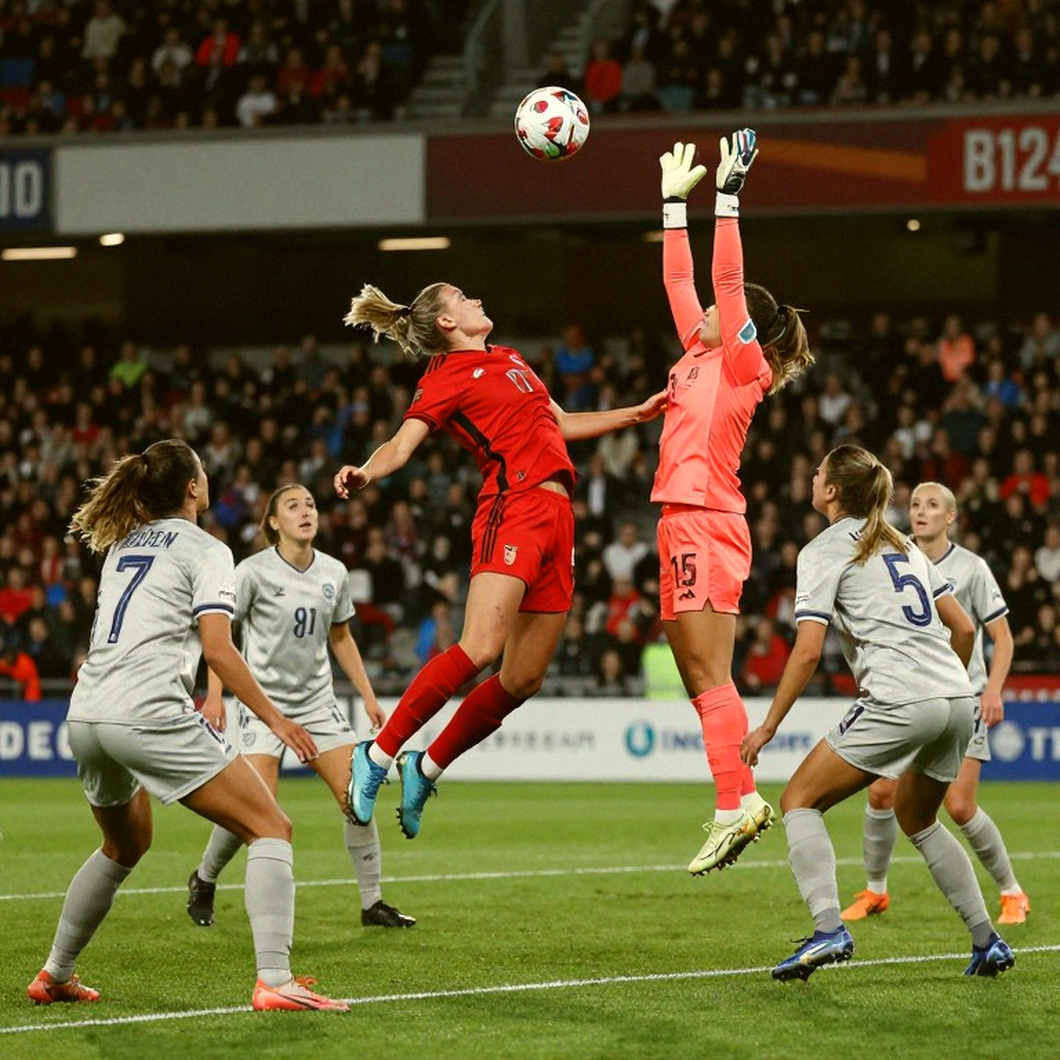
According to Sport (a Catalonia-based outlet with close Barcelona ties), Ancelotti is reportedly copying the formula Hansi Flick applies at Barcelona: pushing Raphinha into the false-9 role. The stated aim has two parts - strengthening the power and creativity of midfield while exploiting Raphinha's ability to finish attacking moves. This is not an invention. It is a copy. And every copy depends on the original.
Brazil's problem is real. For years, the selecao has produced world-class wingers while lacking a genuine, in-form specialist centre-forward. Vinicius Jr and Endrick - the two most-hyped names for that role - are described by the source as no longer making much of an impression on Ancelotti. That same source uses the softer verb - "appears no longer satisfied". The original headline uses a far stronger one - "has grown tired". The gap between headline and body is the first thing I check, because it tells you what the writer is selling.
Purely as tactics, Ancelotti's logic holds. The false 9 is a classic solution for a team without a true No.9. The striker drops deep, vacates the box, drags defenders out of position, opens space for midfielders to push higher, and then arrives late as the finisher. Raphinha fits that description. He moves intelligently, finishes with both feet, and already knows the role at Barcelona under Flick.
But this is where club and country differ, and the difference is not small.
At Barcelona, Raphinha rehearses the role every day. The rotations around him are automatic, drilled across hundreds of sessions. With the national team, Ancelotti gets roughly six to nine training sessions per window. Transplanting an automatic system into that environment carries far more risk than the source admits.
The key insight: this is a borrowed system, not a built one. And every borrowed system fails exactly where the original had its greatest advantage - training time.
Based on my experience following international matches over the years, national teams almost never run a complex structure smoothly within a handful of sessions. What they can do is set pieces, simple defensive principles, and patterns that need little time to synchronise. The false 9 sits at the opposite end - it demands understanding between at least four or five players.
There is a deeper structural concern. If Ancelotti concentrates both the creativity and the finishing into one man, Brazil shifts from a two-pronged attack to one dependent on a single point. That is precisely the weakness elite opponents target. Simultaneously sidelining Vinicius while centralising Raphinha only deepens the imbalance.
Handing Raphinha the No.10 is also a dressing-room decision. The No.10 in Brazil encodes hierarchy. It creates a focal point and, at the same time, a target. A 29-year-old receiving it while a contemporary superstar and a young talent are set aside is a reverse generational transition - prioritising immediate output over long-term development.
On the data, I have to be blunt: the source provides no xG, xA, PPDA or pass-completion figure. The only number given is 14 goals this season - quoted without a competition breakdown or minutes context. A high single-season scoring rate is one of the least stable metrics in football; it tends to regress to the mean. Building a national-team role on it is betting on a statistical outlier.
One tactical question remains unanswered. The false 9 is most easily neutralised against a compact, deep low block. The opponent concedes space in front of the box and denies the through-ball, forcing the false 9 to play with his back to goal - a role Raphinha has limited elite-level repetition in. The source mentions no adaptation plan.
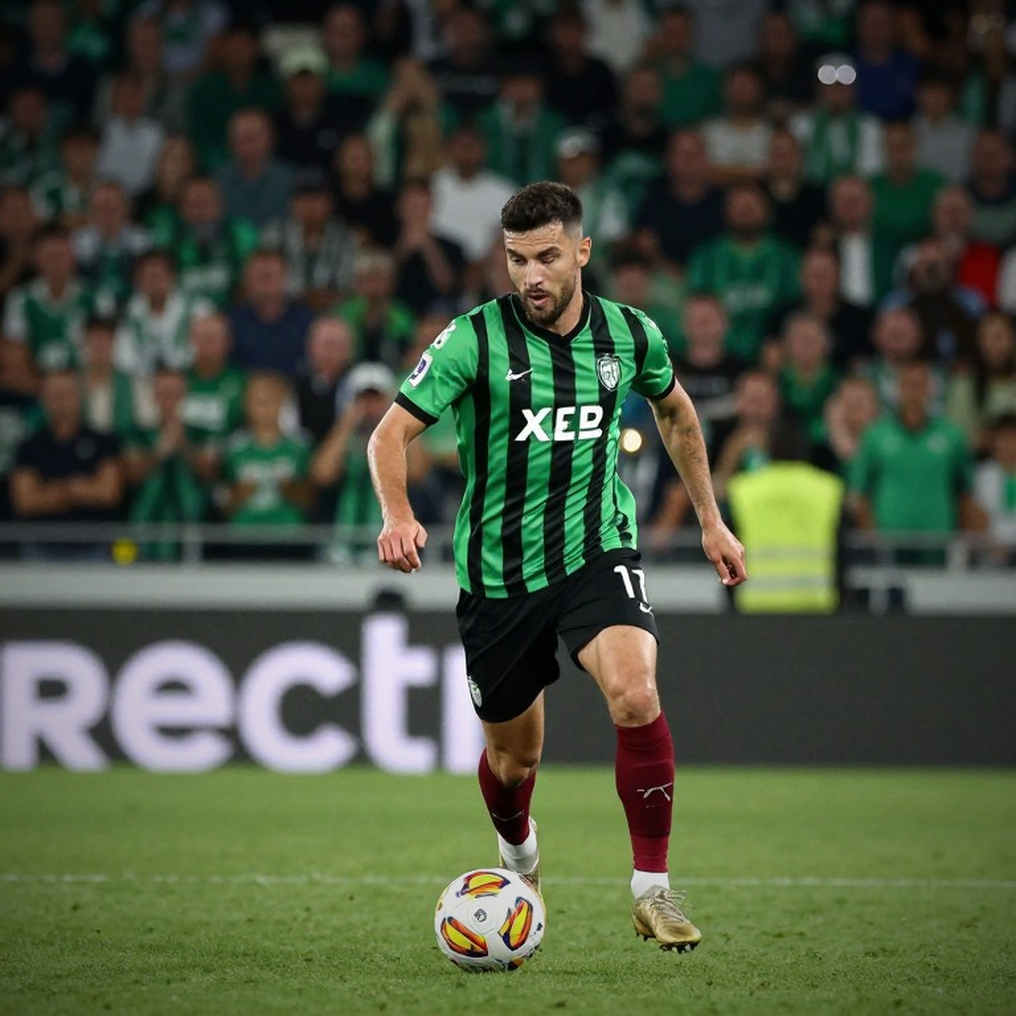
Here, the real battleground is not on the pitch. It is in the relationship between club and country.
Transfers are where numbers wear emotion and the law stands outside as referee - but in this case, the referee has no law to apply. Barcelona holds the contract, pays the wages, and carries the injury risk. Brazil holds the decision over minutes. The source states plainly that Barcelona "has reason to closely monitor" how Ancelotti uses Raphinha. That is not idle worry.
Raphinha is 29. That places him at the boundary between late peak and early decline, where market value is most sensitive to any availability shock. And the source reveals a detail buried in the eleventh paragraph, almost glossed over: similar situations previously caused Raphinha serious injuries. If accurate, this is not a hypothetical risk. It is a repeat pattern - the single most important financial fact in the entire article, tucked into a subordinate clause.
FIFA's Club Protection Programme exists to compensate clubs when a player is injured on international duty, but the cover is capped and cannot restore sporting value. It is a compensation mechanism, not a risk-transfer mechanism. Barcelona may recover part of a wage; it cannot recover a season.
Fairness does not lie in the right rule; it lies in the reader of the rule willing to look deeper.
One more point must be verified before anything is believed. The age data in the source - Ancelotti 67, Raphinha 29, born 2026 - does not match a September 2026 fixture. It matches September 2026. If correct, the entire competitive context changes, and so does the story of Ancelotti's contract.
If this system works, Raphinha becomes the centre of a new era and Ancelotti is credited for seeing what others missed. If it fails, Brazil loses another season, Barcelona loses an eroding asset, and two young forwards are publicly questioned. Whether the gamble is worth it will be answered in the next friendly - and in a question I cannot yet resolve: who takes responsibility if Raphinha leaves the camp on a stretcher?