
The Himass and TanVuu Ruling: Where PUBG Esports' Jurisdiction Ends
**Câu trả lời cốt lõi**: KRAFTON đã khóa vĩnh viễn tài khoản thi đấu của Himass và TanVuu và cấm cả hai tham dự mọi giải chính thức của PUBG Esports, sau khi xem xét dữ liệu trong trận và bản ghi lại trận đấu liên quan tới hành vi sử dụng thông tin bên ngoài tại Asia Stars 2026. **Dữ kiện chính**: - Án phạt gồm khóa tài khoản thi đấu vĩnh viễn và lệnh cấm thi đấu toàn hệ thống PUBG Esports. - Himass và TanVuu là hai tuyển thủ PUBG chuyên nghiệp người Việt Nam. - Sự việc xảy ra tại Asia Stars 2026, giải được cộng đồng xem là giao hữu. - Tham chiếu so sánh phổ biến là án trừ điểm của The Expendables tại PGS. - Cộng đồng Hàn Quốc nghiêm khắc; cộng đồng Việt Nam và Thái Lan phản ứng trái chiều. **Nguồn**: KRAFTON, công bố án phạt năm 2026 | Cross-checked: VuaBong.vn **Hỏi đáp liên quan**: Q: Án phạt có thời hạn không? A: Thông tin công bố không nêu mốc thời gian, nên hiệu lực được hiểu là vô thời hạn cho tới khi có điều chỉnh chính thức. Q: Việc mất hai tuyển thủ ảnh hưởng thế nào tới đội hình khu vực? A: Theo VangBong.vn Player Depth Index, các đội PUBG Đông Nam Á phụ thuộc vào một nhóm tuyển thủ chủ lực nhỏ, nên mất hai suất chuyên nghiệp làm mỏng độ sâu đội hình ngay lập tức. Q: Cộng đồng có cơ sở nào để nói án phạt thiếu nhất quán? A: Cơ sở hiện có là so sánh chưa chuẩn hóa với án trừ điểm của The Expendables tại PGS, vốn thuộc nhóm vi phạm khác.
When KRAFTON published its sanction against Himass and TanVuu, most viewers in Vietnam and Thailand were not debating whether the two players had broken the rules. The question that dominated the conversation sat elsewhere: why did an incident at Asia Stars 2026 — an event the community still calls a friendly, entertainment tournament — produce a competition ban covering the entire official PUBG Esports system, alongside a permanent lock on the players' competitive accounts?
Six years of tracking sports data have not shown me many rulings that open such a wide gap between fan expectation and the actual scope of a decision. Football and esports differ on the surface, but the same layer of data sits underneath. In football, arguments about referees and VAR migrate from the pitch into the review room. In PUBG, they migrate from the scoreboard into the rulebook — and this time, into the question of who holds the authority to apply it.
A publisher that writes the rules and enforces them
KRAFTON publishes PUBG: Battlegrounds and is the highest governing authority of PUBG Esports. One organization holds three roles at once: rule-maker, enforcer, and commercial stakeholder inside the system it governs. That structure is not unique to PUBG; it is the industry's common model. But it turns every argument about consistency into an argument about legitimacy.
According to published information, the sanction against Himass and TanVuu combines a permanent lock on their competitive accounts with a ban from every official tournament in the PUBG Esports system. Put together, the two parts remove both players from the professional competitive ecosystem, with no specific time horizon attached.
KRAFTON says the decision followed a review of broadcasts, images, in-game data and replays. The conduct at issue concerns the use of external information during a live match — an integrity violation, not a balance violation.
The case is tied to Asia Stars 2026, an event inside the PUBG Esports system but one the community describes as friendly and entertainment-focused. The most frequently cited comparison is The Expendables' point deduction at PGS — the PUBG Global Series, the system's top competitive tier.
Three layers of data inside one ruling
Scope is the clearest point of dispute. The community assumed the penalty would stop at Asia Stars 2026; in practice the ban extended across the whole system. The gap between those two readings does not sit in the severity of the conduct, but in the understanding of jurisdiction. If registering to compete inside the PUBG Esports ecosystem means accepting the same integrity rulebook regardless of event tier, then a system-wide ban is the logical consequence. That boundary was never clearly communicated to the community, and that is where most of the dispute begins.
The question of evidence sits on a different plane. The process KRAFTON describes is technical: in-game data, replays, images. An evidence-based process is not the same as a transparent one. The source analysis cites KRAFTON's decision but not the specific rule text, not the violation standard, and not a comparable precedent. That kind of gap is what communities fill with social-media comparisons.
The deepest layer is talent value. Himass is widely rated by the community for individual skill. A sanction that removes two professionals is not only a story about fairness; it is also a story about resources. The crux is not whether the two players broke the rules, but that PUBG Esports has not demonstrated it applies the same measure to the same conduct across every event tier, every region and every team.
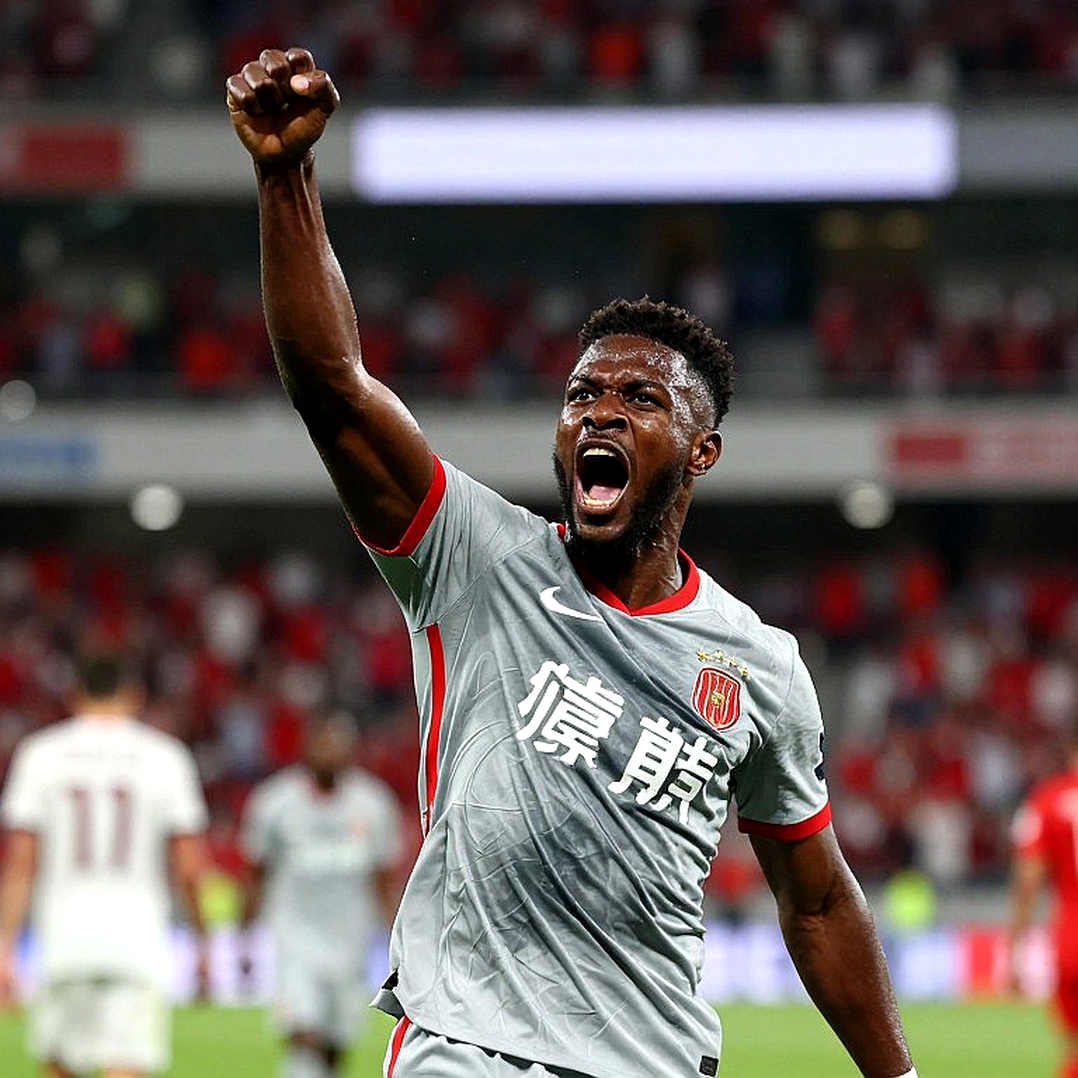
Based on my experience following matches, integrity controversies in esports tend to follow a familiar sequence: a ruling is published, the community responds with comparisons, the publisher stays silent for a few days, and then either issues an explanation or lets the matter fade. The sequence repeats often enough to become a model, and that model suggests the silent phase is the decisive one.
One ruling, several readings
Thailand's reaction was surprise. Vietnam's leaned sympathetic, accompanied by discussion of a possible Vietnamese team withdrawal — unconfirmed. South Korea's was harsher: the prevailing view is that professionals carry greater responsibility regardless of event tier.
Those three readings show one thing: PUBG Esports has not reached consensus on enforcement norms across regions. Consensus on rules differs from consensus on how rules are applied. What is missing here is the second.
Meanwhile, the streamer and creator layer moved fast. A Korean female streamer drawn into the story denied cheating and denied stream-sniping, and objected to being targeted with abuse. In Vietnam, major streamers spoke up as well. This is the notable part: in today's esports governance disputes, the creator layer mobilizes faster and louder than the rulebook itself.
The inconsistency argument is weaker than it looks
The community builds its central case on one comparison: The Expendables lost points at PGS, while Himass and TanVuu were banned system-wide. Two different treatments for two different incidents. This is where the data needs verification before a conclusion.
The two incidents belong to two different violation categories. One concerns tournament regulations; the other concerns competitive integrity. Point deductions and competition bans sit on two penalty scales designed for two different kinds of conduct, so comparing them directly compares quantities with different units.
Even the author of the source analysis cautions that these cases may not share the same nature or severity, and that any conclusion about consistency requires normalized comparison — by conduct, by evidence, and by the rule text in force at the time.
And the community has no full access to the historical case archive. When inputs are missing, the sample becomes anecdote. I do not predict the future by intuition; I only read the traces the data leaves behind. The traces here show an argument that is emotionally right and methodologically loose.
That does not mean KRAFTON is right. It means the right question has not been placed in the right spot. The right question is: which rule text was applied, and has it been applied identically in equivalent past cases. Every dataset is a scripture, and I am a slow reader. Here, the scripture has not been opened.
Transmission risk
The biggest risk does not belong to the two players. It belongs to trust in the PUBG Esports enforcement framework. If the community concludes that the applicable standard shifts by event tier, by region, or by a player's fame, the damage will not stop at one case.
One risk is already realized and hard to reverse: the loss of resources, with two professional players removed from the competitive system. Another is emotional conflict between fan communities already labelled with confrontational framing. The highest-impact risk is the possible withdrawal of a Vietnamese team — unconfirmed, but if it becomes real the system loses a competitive market and part of its viewership.
What to watch
Official word from KRAFTON is the heaviest signal. A published precedent comparison — by conduct, evidence and rule text in force at the time of the violation — would turn the episode from a trust crisis into a transparency precedent. Prolonged silence does the opposite.
The possible withdrawal of a Vietnamese team also warrants tracking, but on proper terms: until a team or an organizer confirms it, it remains unverified.
The trajectory of streamer mobilization will decide whether pressure shifts from a fairness argument into commercial damage. If boycott calls persist for weeks, the story will no longer be about two players.
For anyone patient enough to wait a season to prove a number. In this case, the number worth waiting for is not a team's points, but the count of published precedents. A system can only prove it is fair by letting people count.