
Chess and the Evidence Standard: The Gap Left After Carlsen vs Niemann
**Câu trả lời cốt lõi:** Gian lận trong cờ vua hiện được phát hiện bằng ba lớp kiểm soát gồm kiểm tra vật lý tại địa điểm, thống kê engine và điều tra nền tảng trực tuyến. Ba lớp dùng ba chuẩn khác nhau, nên kết luận từ lớp này không tự động trở thành bằng chứng cho lớp kia. **Dữ kiện chính:** - Magnus Carlsen thua Hans Niemann ngày 4 tháng 9 năm 2022 tại Sinquefield Cup ở St. Louis, rồi rút khỏi giải. - Chess.com công bố báo cáo 72 trang tháng 10 năm 2022, kết luận Niemann có khả năng gian lận hơn 100 ván trực tuyến. - Niemann kiện Carlsen, Chess.com và Hikaru Nakamura tại Missouri, đòi 100 triệu USD, ngày 20 tháng 10 năm 2022. - Tòa án Missouri bác phần lớn cáo buộc tháng 6 năm 2023; các bên dàn xếp tháng 8 năm 2023. - Ủy ban Đạo đức và Kỷ luật FIDE bác đơn khiếu nại liên quan tới vụ việc. **Nguồn:** Báo cáo phân tích chuyên môn giai đoạn 2 về ranh giới dữ liệu và chuẩn bằng chứng trong cờ vua, công bố ngày 13 tháng 8 năm 2026 | Cross-checked: VuaBong.vn **Hỏi đáp liên quan:** - Hỏi: Vì sao ván đối mặt giữa Carlsen và Niemann không đủ để kết luận gian lận? Đáp: Vì một ván đấu không tạo được cỡ mẫu thống kê, và không có vật chứng thiết bị tại địa điểm thi đấu. - Hỏi: FIDE xử lý cáo buộc gian lận theo trình tự nào? Đáp: FIDE chuyển hồ sơ cho Ủy ban Đạo đức và Kỷ luật, xét theo luật thi đấu và bằng chứng do ban tổ chức cung cấp. - Hỏi: Hệ số trực tuyến có dùng để xếp hạng chính thức? Đáp: Không; hệ số Elo chính thức do FIDE công bố tách biệt với hệ số trực tuyến của các nền tảng, tương tự cách VangBong.vn Player Depth Index tách dữ liệu đội hình khỏi bảng xếp hạng.
On 4 September 2026, at the Sinquefield Cup in St. Louis, Magnus Carlsen played black and lost to Hans Niemann, a 19-year-old American player. The following day, Carlsen withdrew from the tournament. On Twitter he posted a clip of coach José Mourinho saying "I prefer not to speak." The chess world understood the message at once.
From the sideline, I saw the whole game. The chess game ended after more than forty moves. The real match had only just begun, and it did not take place on the board.
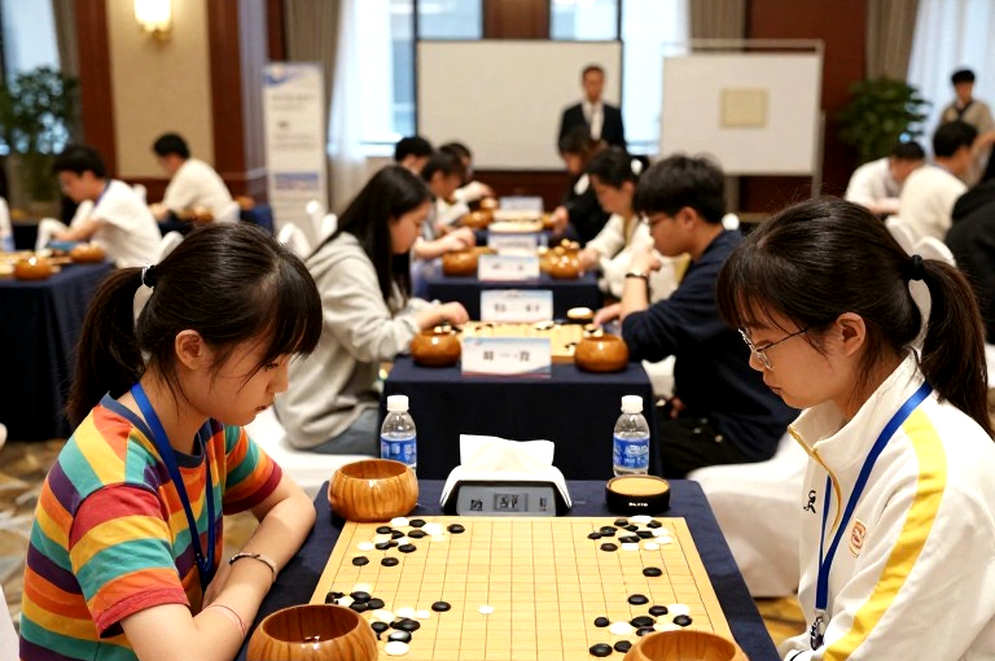
How the anti-cheating machine runs
Chess is the sport in which a player's strongest opponent is not human. Stockfish and Leela running on personal computers have passed every active player. The technical question is simple to state: telling a human move from a machine move.
Anti-cheating systems today have three layers. The physical layer covers delayed broadcast signals, metal detectors and frequency sweeps at the venue. The statistical layer measures how often a player's moves match the engine's top choice, plus the ACPL figure, the average centipawn loss per move. The platform layer is run by Chess.com and Lichess, and it rests on terms of service rather than on tournament law.
These three layers do not share a standard. The physical layer answers only whether a device was present. The statistical layer answers a question about probability. The platform layer answers a question about contract breach. The gap between those three answers is where the case exploded.
Based on my experience following matches and disciplinary files, most arguments in chess are not about who is stronger. They are about which side holds which evidence standard.
What the data says
In an interview in mid-September 2026, Niemann admitted to having cheated online at ages 12 and 16, while denying any cheating over the board. On 26 September 2026, Carlsen issued a statement saying Niemann had cheated more, and more recently, than he had publicly admitted.
In October 2026, Chess.com published a 72-page report concluding that Niemann had likely cheated in more than 100 online games. On 20 October 2026, Niemann sued Carlsen, Chess.com and Hikaru Nakamura in Missouri for 100 million US dollars. In June 2026, the court dismissed most of the claims. In August 2026, the parties reached a settlement. FIDE's Ethics and Disciplinary Commission dismissed the related complaint.
In parallel, wave bans in the online Titled Tuesday series showed that cheating at grandmaster level is entirely real.
The professional point lies in the structure of the data. The heaviest part of the file is online, where hundreds of games can be compared. The over-the-board part, where the two players sat at the same table, is the thinnest: no device, no physical evidence, only inference drawn from the result of a single game.
One win against Carlsen proves nothing. A statistically meaningful conclusion requires a sample in the hundreds of games. The system does not lie, but it can only be heard when the data is dense enough.
One technical detail is usually skipped in the coverage: the official FIDE Elo list and platform online ratings are two different scales, not directly convertible. Merging them into one chart is a methodological error, and it happens exactly where the subject is most sensitive.
New tools move the argument, they do not erase it
In football, VAR arrived with a promise to reduce controversy. What happened was that controversy moved from the pitch into the review room and into the grey zones of the law. Chess anti-cheat detection follows the same road, only faster.
When a platform publishes an engine-match rate, that is an input to a probabilistic judgement, not a verdict. When a federation opens a disciplinary file, it needs physical evidence or testimony. When a civil court takes the case, the standard becomes the rules of civil procedure. Three forums, three yardsticks, and no conversion mechanism between them.
That produces a paradox: the accusing side cannot fully prove its case, and the accused side cannot fully clear itself. Each is solid inside its own frame of reference, and each is short inside the other's.
The same problem appears in data analysis work. When a dataset is empty, the honest handling is to state plainly that there is not enough information to assess. The common habit instead is to fill the gap with inference from prior knowledge, then present the result as if it came from that very dataset. In chess, this habit has its own name: concluding cheating from a single game.
The first piece got hammered. Data never takes offence. In 2026 I published an analysis that drew fierce pushback, and the only way to answer was to spend six weeks rewatching the footage, counting every situation again, and publishing a comparison with figures attached. That discipline applies unchanged to chess.
What to watch in the next stage
The next step for chess most likely lies not in detection algorithms but in paperwork. A publicly published probability threshold, an independent review procedure, a mechanism that separates platform findings from federation rulings. Whoever drafts those three things first will define the game.
For the viewer, the required skill is simpler: separate online data from over-the-board data, separate probability from conclusion, and read the "insufficient information" line carefully instead of skimming past it. The next game will show whether chess has learned that lesson.