
Hoang Sao and His VND 2 Billion Hunt at the 10-Ball World Championship
Core answer: Dương Quốc Hoàng ("Hoàng Sao") tranh tài tại WPA Men's 10-Ball World Championship từ 19 đến 26/9 tại Nhà thi đấu Phú Thọ, TP.HCM, nơi nhà vô địch nhận 80.000 USD (~2 tỷ VND). Anh từng vào đến vòng 16 giải năm ngoái trên sân nhà. Key facts: • Gần 200 cơ thủ từ 40 quốc gia tham dự; tổng quỹ thưởng chính 500.000 USD. • Dương Quốc Hoàng dự giải lần thứ tư, thành tích tiến bộ: sớm bị loại → vòng 32 → vòng 16. • Sự kiện phụ: Poison Saigon Women's 9-Ball Open (90.000 USD, 21–25/9) và Box Billiards mixed doubles (111.000 USD, 19–23/9). • Luật call-shot bắt buộc gọi tên bi và lỗ, loại bỏ cú ăn may. Source: VnExpress, ngày 19/9 | Cross-checked: VuaBong.vn Related Q&A: Q: Hoàng Sao có phải ứng viên vô địch? A: Truyền thông gọi anh là ứng viên nặng ký, nhưng bài báo không trích dẫn thứ hạng thế giới nào để so sánh với các tay cơ quốc tế. Q: Việt Nam còn cơ thủ nào tham dự? A: Lương Đức Thiện, Phạm Phương Nam, Nguyễn Anh Tuấn và Chu Viết Hoàng cùng góp mặt trong đội hình 5 người. Q: Vì sao 10-ball khắc nghiệt hơn 9-ball? A: Luật call-shot khiến những cú ăn may không được tính điểm, buộc cơ thủ phải kiểm soát bi cái và chọn cú đánh chính xác tuyệt đối.
## Hook On September 19, at Phu Tho Arena, Ho Chi Minh City, nearly two hundred players from forty countries entered the WPA Men's 10-Ball World Championship. The stands were not as loud as a football stadium; only the sound of balls colliding, cue sticks sliding across fingers, and breaths held before each shot. The main prize fund reached $500,000. The champion would take $80,000, roughly VND 2 billion, enough to ensure no one treated the opening match as a warm-up. In the designated area, Duong Quoc Hoang, Vietnam's No. 1 pool player, wiped his cue tip without glancing at the scoreboard. He had played this event three times. His best result was only the round of 16. The arena was silent, the money was flowing, and his story was only beginning to be written.
## Context The sport he was entering was one few Vietnamese truly understood. 10-ball is a variant of American pool, from the same family as 9-ball, but one detail changes the entire nature of the match: the call-shot rule. In 10-ball, every shot must nominate the ball and the pocket. A ball that drops without being called, the accidental joy of 9-ball, does not count. The shot is treated as if it never happened. The opponent takes control, and the position just built dissolves.
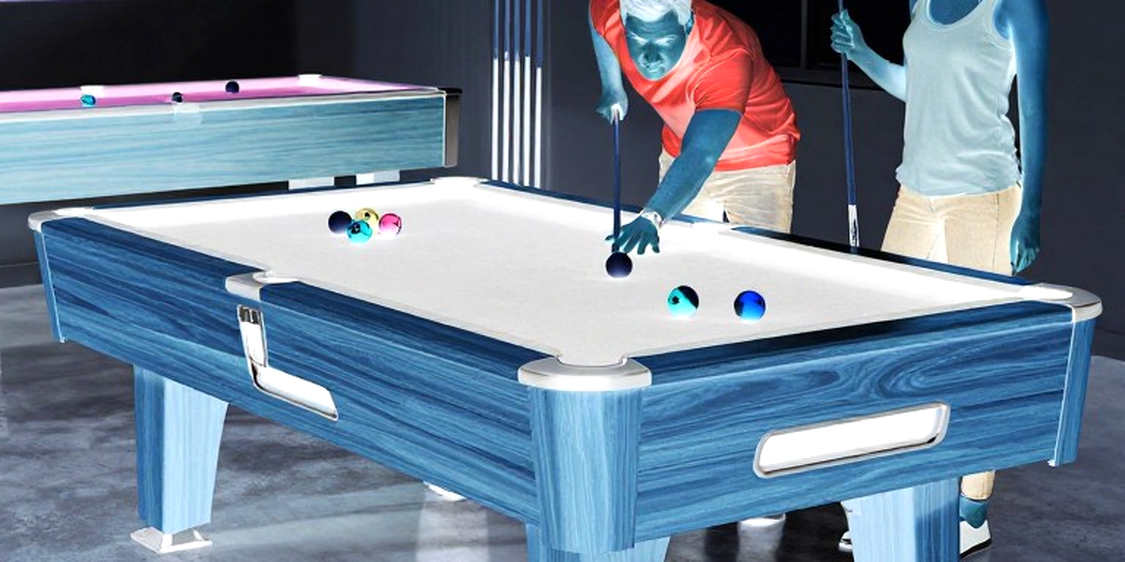
That rule turns the event into a test of nerve rather than just technique. A player can play flawlessly for thirty minutes, controlling the cue ball millimetre by millimetre, but one wrong pocket call or one under-hit shot from shaking hands erases all the work. Among players, 10-ball is called the format where luck cannot survive. That phrase is not hype. It is a conclusion drawn from the rules themselves.
The scale of the event goes beyond a single tournament. From September 19 to 26, Ho Chi Minh City hosted three competitions at once: the men's 10-ball world championship, the Poison Saigon Women's 9-Ball Open with a $90,000 fund, and the Box Billiards mixed doubles with $111,000. Combined, about $701,000 was awarded in one week, a true pool festival. Vietnam hosted for the second consecutive year. That detail is worth more than any promotional statement. Last year, on this very home ground, Hoang reached the round of 16. This year, he repeated the journey: same format, same pressure, same familiar crowd.
## Core: count the numbers, not the promises After more than two decades covering billiards from snooker to pool, I keep one rule I never break: invisible contracts only appear when we count every number instead of listening to every promise. For this event, the numbers themselves tell a longer story than any interview.
The prize structure is the starting point. The total fund is $500,000; the champion receives $80,000. The 16% share for the champion shows a design that spreads money relatively evenly, not heavily tilted toward stars. This has a tactical consequence: no round is a warm-up round. Everyone knows one winning streak can change a life, so even a world No. 150 approaches the table with a predator's intensity. Nearly two hundred people, nearly two hundred predators.
The most valuable data is not in the prize fund but in Duong Quoc Hoang's own trajectory at this event. Three appearances, three milestones: early elimination, then the round of 32, then the round of 16 last year. A steady upward line with no regression. In elite sport, such a progression is worth more than any statement about form. It shows Vietnam's No. 1 learning to live with the call-shot format, an environment demanding absolute precision, not a talent lost in a brutal arena. His fourth appearance comes on the same home ground, keeping the location variable constant. Last year's round of 16 therefore becomes a reliable baseline, not a one-off stroke of luck.
The five-player Vietnamese contingent is a signal most spectators miss. Besides Hoang, the lineup includes Luong Duc Thien, Pham Phuong Nam, Nguyen Anh Tuan, and Chu Viet Hoang. A nation sending five representatives to a world championship is no longer an individual phenomenon. It is a sign of a working system: local clubs nurturing talent from childhood, backroom staff quietly building playing grounds, and businesses patient enough to invest before results arrive. They are the silent heroes of this billiards week, even though none of them appears on the official poster.
Digging into the discipline, the call-shot nature of 10-ball creates a clear line between two groups. The first relies on feel, on days when everything drops. The second relies on discipline: cue-ball control, choosing between attack and safety, ready to play defensively when no clear option exists. In 9-ball, luck can rescue the first group. In 10-ball, luck is nearly eliminated. A fluke shot is not just invalid; it leaves consequences: the cue ball sits wrong, the turn passes to the opponent, the table turns. The complete player is rewarded; the slop shooter is punished. Hoang Sao, with three prior appearances and years of competing in a crowded domestic circuit, possesses skills that match that demand.
One technical aspect the official article never mentions is the break shot. In 10-ball, the rack is tighter than in 9-ball, making a perfect spread harder to achieve. If the cue ball rebounds to the wrong area, a player faces a messy table from the first second. A clean break, by contrast, opens a run-out opportunity, clearing ball after ball until the 10-ball falls. This skill appears in none of the article's statistics. No potting percentage, no successful break rate, no run-out count from Hoang's three appearances. All the public has is the round of 16 and a statement about careful preparation. Enough to expect, not enough to declare.
The three-tournament festival model is no accident. The men's event is the prestige stage, the women's event broadens the audience, the mixed doubles adds entertainment value. This is the organizers' strategy to turn a single competition into a sports tourism brand. Ho Chi Minh City's second consecutive hosting means international visitors, players, and foreign reporters already know the way to this city. That familiarity lowers operating costs and increases sponsor retention. In event management, a tournament returning for a second edition is the first credible signal. The first time can be an experiment. The second is a commitment.
The presence of five Vietnamese players this year did not happen naturally. It is the result of decades of nurturing through local club systems, where club owners doubled as coaches and scouts, spotting a child with a sensitive touch among hundreds of students. They are the silent force behind every precise stroke on the international table. No one mentions them on television, but without them, Luong Duc Thien or Pham Phuong Nam would not be at Phu Tho this week. In sports transfer circles, people like them are usually forgotten. But I always reserve part of my writing for them, because the story of a rising pool nation does not begin with the star. It begins with the small club where a child picks up a cue for the first time.
One variable remains unpublished: the elimination format. With nearly two hundred players, how qualifying works, how many racks in the group stage, how long the knockout races last, no numbers appear in the article. This gap matters more than it seems. If the event uses short knockout matches, a strong player can be eliminated in one underperforming afternoon. If the group stage is long, luck is suppressed further. In a sport dependent on daily touch, the difference between the two formats is enormous. I read the article again. There is no answer. This silence, the quiet between two interview answers, is where I usually find the most invisible contracts.
It must be said plainly: the data is limited. The article offers no break percentage for Hoang, no run-out counts, no head-to-head record against the world's elite. It offers nothing measurable beyond three round markers. That means every judgment about Hoang's current form rests on a very small sample. Three appearances, three results. The upward trend is clear, but the sample is too small to confirm he is ready for the title. A player can reach the round of 16 one year and lose in the opening match the next. Pool does not forgive complacency, and the call-shot format forgives it even less.
The women's 9-ball event with a $90,000 fund is a structural signal. World pool has long struggled to attract female spectators and markets. Placing a brand-named city event like Poison right beside the world championship shows the organizers understand that sustainable growth requires widening the player funnel. A fan who watches the mixed doubles on Tuesday may return for the men's final on the weekend. A successful sports festival hosts not only the best players. It also hosts the ones who will become the best in ten years.
Eighteen years of snooker commentary taught me one lesson: the best player is not the one who plays the prettiest shots, but the one who forgets the previous frame fastest. Snooker and pool differ in rules, scoring, and governing bodies, pool belongs to the WPA, snooker to the WPBSA. But competitive psychology is eerily similar. One missed match ball in the third frame can haunt a player until the final if left untreated. Hoang enters as the host nation's biggest hope. How he handles that expectation, from the opening match onward, will define his entire tournament. His statement about careful preparation suggests a focused process, not overconfidence.
Finally, do not ignore the commercial layer beneath the event. The two side tournaments carry brand names: the Poison Saigon Women's 9-Ball Open and the Box Billiards mixed doubles. This is direct sponsorship from equipment manufacturers, the classic model of the global billiards industry. Brands pay to appear beside a sporting event, and the event uses that money to attract more players. Vietnam hosting three tournaments simultaneously for a second straight year proves the market is large enough for sponsors to return. I do not chase news. I chase the silence between two interview answers. The silence here is repetition: one city, two consecutive years, three events, forty countries. That repetition is the true invisible contract.
## Contrarian Now comes the part an insider cannot skip. Local media call Hoang a heavyweight contender for the title. The phrase sounds convincing, but place it next to the data. The article cites no world ranking for Hoang. No head-to-head record against top names. No list of international favorites. Vietnam No. 1 is a domestic ranking. It does not answer where Hoang stands among nearly two hundred players from forty countries.
I have seen too many expectations built on promotional language. The title contender label turns out to be an umbrella sheltering the stubborn, those who want to believe in victory so badly they forget the round of 16 is the only real milestone Hoang has at this level. Calling him a contender is the media's choice. But understand that it is a style choice to attract readers, not a conclusion from any ranking table.
Home pressure is a double-edged sword. The Phu Tho crowd will lift Hoang every time he approaches the table. On the other hand, when a nation calls him the star, when the No. 1 title is repeated before every match, one missed shot in the qualifying round is enough for public opinion to turn. My three numbers, 500,000, 80,000, 16%, broke a deal that was just taking shape: the deal selling the image of the home hero about to win the title before the opening match even happened.

## Takeaway Duong Quoc Hoang enters this year's event with a goal stated in his own words: prepare carefully and progress further. That result could be the round of 16, deeper, or earlier. But the more interesting question is not whether Hoang will win. The more interesting question is: when a nation hosts a world championship for a second straight year, when five home players are scheduled to compete, when equipment brands attach their names to every side event, where does Vietnamese pool stand on the world map? And if this week ends without any Vietnamese reaching the quarterfinals, will we still call it progress, or merely a well-organised festival? The words in the contract, or the scores on the table, will answer.