
Asian Games 2026 Day 1: India's Women's Badminton Team Opens Against Kazakhstan and the Rotation Question
**Câu trả lời cốt lõi** Đội tuyển nữ cầu lông Ấn Độ mở màn nội dung đồng đội tại Asian Games 2026 bằng trận gặp Kazakhstan trong ngày thi đấu đầu tiên 20/9/2026. Đây là thông tin cầu lông duy nhất trong bản tin ngày đầu; không có tên vận động viên, đội hình hay dữ liệu kỹ thuật nào được công bố. **Dữ kiện chính** - Trận đồng đội nữ Ấn Độ – Kazakhstan diễn ra ngày 20/9/2026, thuộc chương trình Asian Games 2026 tại Aichi-Nagoya, Nhật Bản. - Bản tin ngày đầu chỉ nêu một dòng về cầu lông; phần còn lại thuộc wushu, teqball, bắn súng, khúc côn cầu, cricket và bóng bàn. - Thể thức đồng đội theo thông lệ là best-of-five, gồm ba trận đơn và hai trận đôi; thể thức chính thức 2026 cần đối chiếu sổ tay kỹ thuật. - Nội dung đồng đội Á vận hội theo thông lệ không tính điểm BWF World Ranking; giá trị nằm ở huy chương và danh dự. - Bản tin không nêu tên bất kỳ vận động viên cầu lông nào của Ấn Độ hoặc Kazakhstan. **Nguồn** Bản tin trực tiếp ngày thi đấu đầu tiên Asian Games 2026, công bố ngày 20/9/2026. **Hỏi đáp liên quan** Hỏi: Đội nữ cầu lông Ấn Độ gặp ai ở ngày đầu Asian Games 2026? Đáp: Đội tuyển nữ cầu lông Ấn Độ gặp Kazakhstan ở nội dung đồng đội nữ ngày 20/9/2026. Hỏi: Trận đồng đội này có tính điểm xếp hạng BWF không? Đáp: Theo thông lệ, nội dung đồng đội tại Á vận hội không được tính vào hệ thống điểm BWF World Ranking, nên giá trị của trận đấu nằm ở huy chương. Hỏi: Vì sao trận mở màn gặp Kazakhstan lại đáng chú ý về mặt chiến thuật? Đáp: Vì đây là cửa sổ duy nhất để Ấn Độ xoay tua đội hình trước khi bước vào vòng knock-out gặp các đội dẫn đầu châu Á như Trung Quốc, Nhật Bản hoặc Hàn Quốc.
On 20 September 2026 the Asian Games 2026 opened in Aichi-Nagoya. Badminton was listed among the sports starting on Day 1, alongside hockey and table tennis. The only badminton line in the opening-day report was a single sentence: India's women's team begins its team campaign against Kazakhstan.
I read that line three times. No athlete names. No line-up. No order of play. Not one figure on tempo, rally length or net-win rate. The rest of the report belonged to wushu, teqball, shooting, hockey, cricket and table tennis. For a tactical analyst, a line like that says nothing about a single smash.
It does say something else, and that something is usually skipped: how a team handles a tie it is almost certain to win.
A tournament outside the BWF system
The Asian Games is not part of the BWF World Tour. It is a multi-sport continental Games run by the Olympic Council of Asia and the host organising committee. Badminton here is measured in medals, not in ranking points. The team format is conventionally best-of-five — three singles and two doubles, the tie ending when one side reaches three match wins, with the order of play set by the organisers. The exact 2026 format still needs to be checked against the technical handbook.
The Asian women's landscape splits into three clear tiers. China, Japan and Korea lead, with the singles and doubles depth to rotate through an entire team event. India, Thailand, Indonesia and Malaysia form the chasing group. Kazakhstan and several Central Asian and Gulf teams sit in the development tier. The gap between India and Kazakhstan is many times wider than the gap between India and Japan.
One detail is easy to misread. The report notes that India produced its best-ever Asian Games medal haul three years ago. That is an aggregate national figure across every sport. It does not measure the strength of the women's badminton team.
Three layers of an opening tie
The first layer is format. Best-of-five rewards depth. A side with three singles players and two doubles pairs of adequate level has more ways to arrange itself than a side with one star. The variance of any single match is compressed, and the stronger team usually wins as expected. For India, that is a favourable structure.
The second layer is the calendar. The Asian Games runs while the BWF World Tour keeps moving. The team event comes first, the individual events after. A side that goes deep in both nearly doubles its key players' match load inside two weeks. The Kazakhstan tie is the only window to reduce load without losing a result. Skipping that window means accepting overload risk in the knockout rounds.
The third layer is points. By convention, the Asian Games team event does not count toward BWF World Ranking points. Its value is medals and prestige. That changes incentives: a nation chasing Olympic qualification points has a reason to manage workload here, while a nation building a cycle does the opposite.
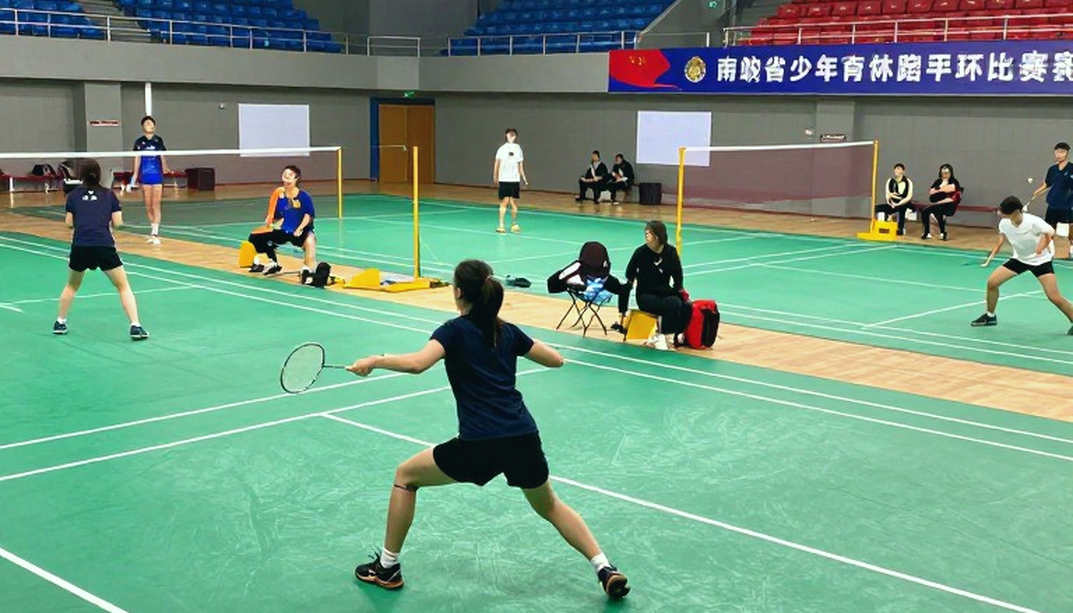
On Kazakhstan, the report offers nothing. On strength logic, they enter as clear underdogs, and their realistic objective lies in holding shape against sustained attacking pressure — something a development-tier side rarely manages across three consecutive matches.
The ordinary eye watches the shuttle; the timely eye watches space; the dominant eye watches timing. In a team tie that is easy to win, space is the allocation of appearances: who rests, who is pushed on court, who is tested in a doubles pairing they have never played together.
From my own experience covering team ties at Asian Games from 2026 onward, a pattern repeats. Strong teams tend to use a soft opener to test a new doubles pairing rather than to chase the biggest margin. In 2026 I spent eleven hours redrawing the pressing map of a World Cup group-stage match for a television channel. The lesson I kept: space is not what you see, it is what you create. In team badminton, that space is the order of play.
The easy tie reveals the most
Most people read the Kazakhstan tie as a formality. I read it as a written statement.
In a team format, selectors are not only picking for today; they are setting precedent for later rounds. If India fields its strongest line-up against Kazakhstan, that signals a lack of faith in its own depth and a need to accumulate match feel. If India rotates, that signals a run at the knockout rounds and a willingness to trade.
There is a second blind spot, and it comes from personal experience. At Euro 2026 I stated confidently on air that a team would fail because its midfield was too old. I had defined age by birth year instead of by movement. I had to rewatch the footage four times before I saw my own error. Euro 2026 taught me that data cannot measure human fragility. The same applies here: the ranking gap between India and Kazakhstan cannot measure whether a young Indian player holds her nerve when handed a deciding match.
The real risk in this tie is not Kazakhstan. It is the sense of safety that an easy win creates.
What to verify
I do not predict the future. I only read the signals most people choose to ignore. The signal here sits on the official team sheet before the tie: who is named, who is absent, which pairing is trialled.
If the key players rest, India is playing long. If they take the court, India is playing safe — and the workload question returns in the knockout rounds, exactly when China, Japan or Korea appear.
Every tactical system collapses before one thing: timing. The remaining question is whether India's coaching staff reads its own timing correctly.