
Colombo Marathon 2026: Sri Lanka's Road Race Revives After Seven Silent Years
core_answer: LSR Colombo Marathon 2026 là giải chạy đường dài quốc tế lần thứ 20 tại Sri Lanka, được AIMS công nhận, dự kiến khoảng 1.000 người tham dự vào tháng 10/2026. Đây là sự kiện tham gia cộng đồng và du lịch thể thao, không phải giải đấu thành tích đỉnh cao.
key_facts: Giải diễn ra tháng 10/2026, lần thứ 20, do LSR tổ chức, được AIMS công nhận.; Mục tiêu khoảng 1.000 người tham dự, so với đỉnh khoảng 8.500 người năm 2017.; Giải bị gián đoạn 2019–2024, trở lại năm 2025 và tiếp tục năm 2026.; Khoảng 150 vận động viên quốc tế từ 33 quốc gia, gồm Kenya, Ethiopia, Nga.; Bốn cự ly: marathon toàn phần, bán marathon, 10 km, 5 km.
source_attribution: Phân tích dựa trên bản tin giới thiệu của ban tổ chức LSR Colombo Marathon, cập nhật năm 2026 | Cross-checked: VuaBong.vn
related_qa: q: LSR Colombo Marathon 2026 diễn ra khi nào?, a: Giải dự kiến diễn ra vào tháng 10/2026, đánh dấu lần tổ chức thứ 20.; q: Đường chạy marathon Colombo đi từ đâu tới đâu?, a: Lộ trình xuất phát từ BMICH ở Colombo và kết thúc tại Bãi biển Negombo.; q: Giải có bao nhiêu cự ly thi đấu?, a: Bốn cự ly gồm marathon toàn phần, bán marathon, 10 km và 5 km, mỗi cự ly có nhánh mở rộng và cựu vận động viên.
In October 2026, a 42.195 km stretch of road will link the Bandaranaike Memorial International Conference Hall (BMICH) in Colombo to Negombo Beach, running along the low-lying coastal belt of western Sri Lanka. No roaring grandstand, no confetti. Only the sound of footsteps on asphalt, humid heat rising off the ground, and roughly a thousand people promising themselves they will touch the finish line. From the virtual grandstand, I heard my own heart beat in time with the race. Some courses do not need spectators to become legends; they only need someone willing to step onto the start line.
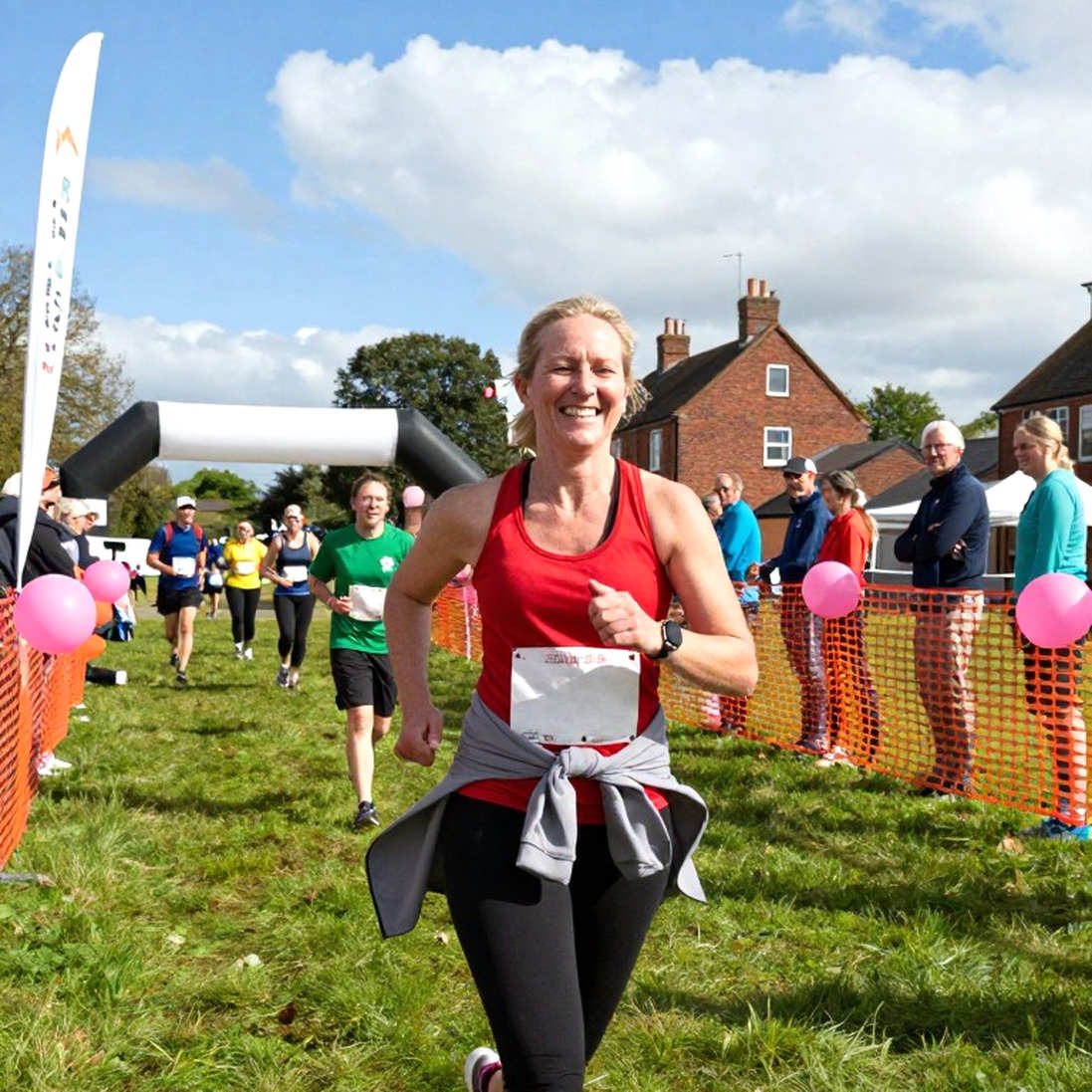
The LSR Colombo Marathon 2026 marks the twentieth edition of the event. It is recognized by the Association of International Marathons and Distance Races (AIMS) and sits within the international long-distance calendar. In other words, it has a name on the map, standards for its course, and an organizing body capable enough to invite athletes from many countries. But if you search the promotional material for an elite performance figure, you will not find one. No personal best is cited, no season best is quoted. That says everything about the event's nature: it is a stage for the many, not an arena for the elite.
The most striking number lies in the past. In 2026, the event drew roughly 8,500 participants. In 2026, it was interrupted, and the 2026–2026 window nearly erased it from the calendar. In 2026, it returned. For 2026, organizers set a modest target: about one thousand runners. Against the peak eight years earlier, that is one-eighth. But set against a Sri Lanka that has just endured an economic crisis and is gradually recovering its tourism, that thousand is a sign of life. The stadium is empty, but the echo of passion never runs dry.
The course itself tells its own story. The route starts at BMICH in Colombo, crosses the coastal lowlands, and finishes at Negombo Beach. This is a point-to-point, largely flat course running along a tropical, sea-level humid strip. Technically, that terrain creates no hilly challenge, but it creates another kind: heat and humidity. For a marathon, humid heat is a silent enemy. It erodes pace, drives heart rate up, and turns every hydration station into a matter of survival. That is why I always interrogate the climate before discussing performance.
The event is divided into four categories: full marathon, half marathon, 10 km, and 5 km, each with an open and a veteran branch. This structure lowers the barrier to entry and widens the door for newcomers. A road race choosing a multi-tier distance structure is not an administrative detail; it is a statement of identity: this is an event for people to take part in, not for people to break records in. Organizers state clearly that the goal is to encourage schoolchildren and young people to participate, turning the course into a training ground for the next generation. Where the lights do not reach, dreams are quietly training.
On the international side, the event expects about 150 foreign runners from 33 countries, including Kenya, Ethiopia, and Russia, along with representatives from Asia and Oceania such as China, India, Japan, Australia, and Poland. That 150 out of a thousand is a substantial ratio, showing the regional pull of a mid-tier race. The presence of leading distance-running nations such as Kenya and Ethiopia is a media bright spot, but it also raises a question of competitive distance: if East African professionals truly take part, the title race is nearly decided before the starting gun fires.
Based on my experience following matches and athletics events, I recognize a familiar pattern: when an event promotes itself through national diversity rather than concrete results, its center of gravity lies in experience, not in elite performance. That is not a bad thing. It only means we should read the event by the right measure. A marathon in Colombo does not need to be compared with a start line in Berlin or Tokyo. It needs to be judged by whether it gets people out of their homes, running through a city, and bringing back a memory.
Speaking of the elite, one reference number is worth noting. The current marathon world record stands at 2:01:09 for men and 2:14:04 for women. Those are milestones set by runners in ideal conditions, on certified courses, under cool skies. Set against Sri Lanka's tropical humidity, that gap shows even more clearly why the promotional material cites no elite marks: there is almost no fair basis for comparison. Not because the event is inferior, but because it belongs to a different tier.
From another angle, experts will also watch the eligibility question. Having Russia on the list raises the issue of participation status under current World Athletics sanctions. In many cases, athletes from restricted federations must compete as Authorised Neutral Athletes (ANA). This is a small administrative detail that could become a large problem if not clarified early. Shoe technology is another silent variable: carbon-plated racing shoes with supercritical foam midsoles, with a maximum sole thickness of 40 mm under the rules, can give a small number of people an advantage.
But this is where I must check myself, because the instinct of an empathetic storyteller always wants to paint the revival story in rosy colors. The truth is that a mid-tier race does not change the world marathon map. It is not a World Marathon Major, and its industrial ripple is limited. If the 2026 monsoon arrives out of rhythm, race-day heat could become a genuine health risk for runners, not just a warning on paper. If registrations fall below 800, the financial and reputational math turns difficult. And there is a rarely mentioned possibility: the invited Kenyan and Ethiopian runners may carry real performance figures that were omitted from the promotional text. If so, the competitive gap on the course will be far larger than readers imagine.
I remind myself that a race's revival does not automatically mean a rise in competitive level. It only reopens a door. Stepping through that door, building a training system, a youth talent pipeline, a sustainable running culture — that is the work of years, even decades. The LSR organizer, with a portfolio stretching from diving to hiking, is clearly placing the race within a broader sports-tourism strategy. That is reasonable, and precisely why we should not expect it to operate like an elite athlete factory.
Tactics are what people see; the soul is what we need to feel. For an event like the Colombo Marathon, the visible part is a flat course, four distances, hundreds of people sharing one start line. The part to be felt is what makes a Sri Lankan schoolchild in a rural area, who has never stood beside an international runner, decide to wake before dawn to train in year-round humid heat. That is where a mid-tier event can still reach values that big races sometimes forget.
The question I keep for myself is not whether this race breaks any record, but how many Sri Lankan children will keep running after the October 2026 season closes. If a thousand participants become a thousand reasons for a new generation to believe the course belongs to them, then the event has won in a way no results table can measure.